I have lost count of the number of raffles I have helped set up over the years, and the ones that run smoothly almost always have one thing in common. The fundraiser wrote out a proper set of raffle rules before ticket sales opened.
It sounds like a small task next to sourcing prizes or getting the word out, but clear raffle rules are what stop your inbox filling up with "when is the draw again?" and "can I get a refund?" questions. They also protect your organization if something unexpected happens, like a prize donor pulling out or a winner who cannot be reached.
This guide is not about raffle law. Every state, province, and country has its own licensing requirements, and I would rather point you to the right resource than give legal advice I am not qualified to give. What it covers is writing the rules document itself: what to include, how to word it, and a simple outline you can adapt for your own fundraiser.
Why Every Charity Raffle Needs Written Rules
A written set of rules does a few jobs at once. It creates transparency, so supporters can see exactly how the raffle works before they hand over any money. It reduces confusion for everyone involved, including your own volunteers, who would otherwise field the same handful of questions on repeat. It answers those questions before anyone has to ask: when is the draw, how will I know if I have won, what happens if I cannot collect my prize. And it supports consistent event management, since a raffle you run every year becomes a matter of updating a document rather than starting from scratch.
There is also a bigger reason this matters, and it is one I bring up with almost every organization I work with. A raffle is one of the best ways to reach supporters who have never heard of you before. Someone shares it on social media, a friend forwards the link, and suddenly you have ticket buyers with no existing relationship to your organization at all. That is a huge opportunity, but those new supporters have nothing to go on except what they see on the page in front of them.
This is where your rules do some important work. A page with vague or missing rules gives a stranger no reason to trust that the draw is fair or that their money is going where you say it is. Rules that are clear, professional, and complete, including who is running the raffle, any licence or permit number where one applies, and exactly how the draw will be conducted, tell a first time visitor this is a legitimate fundraiser before they have any other reason to believe it. For supporters who already know your cause, clear rules are a nice to have. For everyone you are trying to reach for the first time, they can be the deciding factor.
Information Every Raffle Should Include
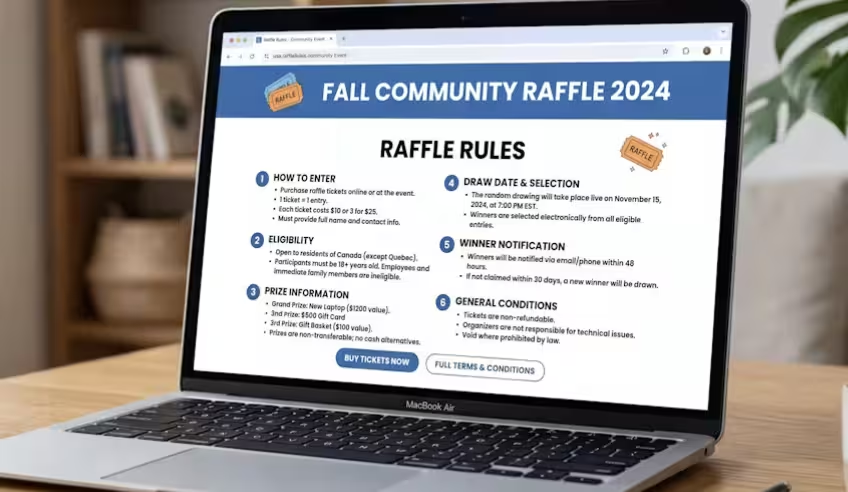
Every raffle rules document should open with the basics, stated plainly:
- Organization name, so it is clear who is actually running this raffle
- Event name, useful if you run more than one raffle a year
- Raffle purpose, a short line on what the funds will support
- Important dates, when tickets go on sale, when sales close, and when the draw happens
- Contact information, a real email address or phone number for questions
Put these at the very top. Someone skimming your rules for the first time should be able to answer "who, what, and when" within the first few sentences, without digging for it.
Participant Eligibility
This section tells people whether they are actually allowed to enter. It typically covers:
- Minimum age, where applicable to your raffle or region
- Geographic eligibility, if your raffle is limited to a country, state, or local area
- Employee or volunteer participation, and whether staff, board members, or their immediate family can buy tickets
- Entry requirements, such as needing to register an account or provide contact details before purchasing
Eligibility is one of the areas where local regulations vary most, particularly around who can enter and how tickets can be sold, so check your own regional requirements before publishing this section. GalaBid has guides on raffle rules by country, plus region specific pages for the UK, Australia, Canada, Ireland, New Zealand, and US requirements by state.
Ticket Purchase Rules
This is where most of the practical questions get answered upfront:
- Ticket prices, including any package or bundle pricing
- Purchase deadlines, so people know the last date and time to buy
- Payment methods accepted
- Entry confirmation, meaning how and when a buyer knows their purchase went through and their ticket numbers are confirmed
- Refund policy, stating plainly whether ticket purchases are refundable (in most cases, raffle tickets are non-refundable once issued, similar to a lottery ticket, but say this outright rather than leaving people to assume)
Two lines a lot of organizers forget: state whether you reserve the right to cancel, postpone, or amend the raffle if circumstances outside your control require it, such as a venue falling through or a major prize donor withdrawing. And if buying a ticket adds someone to your mailing list, say so here. Nobody enjoys discovering they are on a newsletter they never knowingly signed up for.
Drawing and Winner Selection
Supporters want to know the draw is fair, so be specific:
- Drawing date, ideally with the time and location or platform
- Winner selection process, for example a random draw using a certified number generator
- Notification method, such as email, phone, or SMS
- Prize collection, meaning how and where winners receive their prize
- Unclaimed prizes, explaining what happens if a winner cannot be reached in a reasonable window
Two more things worth including, based on what tends to come up after the fact. State plainly whether you may publicly announce the winner's name, and give people a way to opt out if they would rather keep it private. This is worth checking carefully if you are running your raffle through an online raffle platform, since some platforms automatically display the winner's name on the campaign page as soon as the draw is made. It is worth mentioning that in your rules so it does not come as a surprise. If you are drawing at a live event, you might also show the draw on a screen as it happens, for example using a live leaderboard display so the room can watch winners appear in real time. It is a great way to build excitement, but it is still a form of publicly naming the winner, so it belongs in your rules either way.
Finally, add a short line saying your organization's decision on winner validity is final. It sounds a little formal, but it heads off disputes later, and almost every well written raffle rules document includes some version of it.
Prize Terms
Prize terms should leave no room for confusion about what someone is actually winning:
- Prize descriptions, written clearly enough that a winner knows exactly what they are getting
- Approximate value, since this matters for tax purposes in many regions
- Prize substitutions, stating whether you reserve the right to substitute a prize of equal or greater value if the original becomes unavailable
- Collection deadlines, giving winners a clear window to claim their prize
- Prize restrictions, such as travel dates, age restrictions on certain prizes, or non-transferable experiences

If you need help sourcing prizes that fit your audience, GalaBid has guides on raffle prize ideas and raffle basket ideas, plus a dedicated piece on raffle prize taxes for winners if you need the tax side of things.
Writing Rules That Are Easy to Understand
Rules only do their job if people actually read and understand them. A few habits make a big difference:
- Use plain language rather than legal phrasing borrowed from a template you found online
- Keep each section short, a few sentences is usually enough
- Avoid jargon your supporters will not recognize
- Organize information in the order people will actually need it
- Use headings and bullet points rather than dense paragraphs
Here is a quick comparison of the same rule written two ways:
Notice that the clearer versions say the same thing in far fewer words. That is usually the test: if a sentence takes two readings to understand, it needs a rewrite.
One more tip: keep a single version of your rules and link to it everywhere you sell tickets, whether online, at an event, or through volunteers. Different wording on different channels is a common and easily avoided source of confusion.
Sample Charity Raffle Rules Template
Here is a simple outline you can adapt. This is not a finished legal document, it is a structure to help you organize your own rules before having anyone qualified review them.
- Event Information
Organization name, raffle name, purpose of funds raised, key dates, contact details. - Eligibility
Age requirements, geographic restrictions, any exclusions such as staff or board members. - Ticket Sales
Price, payment methods, purchase deadline, refund policy, whether the raffle may be cancelled or postponed. - The Drawing
Date, method of selection, number of winners, notification process, whether winners will be named publicly. - Prize Claims
How to collect the prize, claim deadline, what happens if unclaimed, whether substitutions are possible. - Contact Information
Where to direct any questions, before or after the draw.
Raffle Rules Checklist
Before you publish your rules, run through this list:
- Organization information included
- Entry requirements explained
- Drawing process documented
- Prize details listed
- Contact information added
- Rules reviewed before publishing
If you are still working through the earlier stages of setting up your raffle, our step by step raffle guide and our roundup of common raffle mistakes cover the planning side in more depth.
Frequently Asked Questions
What should raffle rules include?
At minimum, your organization's details, ticket pricing and purchase deadlines, eligibility requirements, how and when the draw happens, and how prizes are claimed, with contact information throughout.
Do charity raffles need written rules?
They are not always a strict legal requirement everywhere, but they are strongly recommended regardless. They build trust, reduce disputes, and give volunteers a consistent answer to common questions. Some regions do require published rules or specific disclosures, so check your local requirements too.
How long should raffle rules be?
Long enough to be complete, short enough to actually be read. Most charity raffle rules fit comfortably on one page. If yours runs to several pages, look for sections to tighten rather than remove.
Can I use the same rules every year?
Often yes, with updates. Dates, prizes, and ticket prices change each year, so treat last year's rules as a starting point rather than a final document.
Should raffle rules be published online?
Yes. Anyone buying a ticket online should be able to read the rules before they pay, not after, so link to them clearly from your ticket page.
Who should review raffle rules before launch?
At minimum, someone other than the person who wrote them, to catch anything unclear or missing. For larger raffles or valuable prizes, it is worth having someone familiar with your local requirements take a look before you publish.
Create Transparent Charity Raffles with GalaBid
Well written raffle rules help participants feel confident about your fundraiser, and confident supporters buy more tickets. GalaBid makes it easy to organize ticket sales, manage prize draws, and create a professional raffle experience from start to finish, all backed by a platform built specifically for raffles.
This article is intended as general guidance on writing clear raffle rules and is not legal advice. Raffle regulations vary by location, so verify your local laws and requirements before publishing your rules or launching your fundraiser.
More advice articles about Raffle
About GalaBid
Ideal for donations. Perfect for Raffles. Awesome for Live and Silent Auctions! GalaBid’s online fundraising platform is designed for fundraisers of all types and sizes. For over 10 years we’ve been helping non-profits, charities, community clubs, churches, schools, and individuals to raise more and make a difference.