Successful raffles rarely come down to one impressive item or a lucky promotional post. The strongest campaigns usually combine clear fundraising goals, easy participation, community involvement, consistent promotion, and an organized team behind the scenes. Looking at real nonprofit raffle success stories can help organizations understand which approaches have worked for other fundraisers and which lessons they can adapt to their own campaigns.
There is no formula that guarantees a particular fundraising result. A school raffle may look completely different from a large community campaign, while a small charity may depend heavily on volunteers and local business support. However, verified fundraising examples show several patterns that nonprofits of different sizes can learn from.
What Makes a Charity Raffle Successful?
A successful raffle starts with a clear purpose. Supporters should understand why the organization is fundraising and what their participation helps make possible.
Early planning also gives teams more time to secure appealing items, organize volunteers, communicate with sponsors, prepare promotional materials, and make ticket purchasing straightforward.
Promotion is another important part of the campaign. One announcement is rarely enough to keep a fundraiser visible. Email, social media, community partners, events, newsletters, and volunteer networks can all help remind supporters about the raffle.
The following factors frequently appear in successful fundraising campaigns:
These factors don't guarantee fundraising success, but they create a stronger foundation for an organized campaign.
Success Story: A School Raffle Program Built Around Community Participation
One useful example comes from Catholic United Financial's 2026 Catholic Schools Raffle. The organization reported that 50 Catholic K-8 schools participated in its six-week program, with more than 8,000 students involved. Collectively, participating schools sold more than 95,000 tickets and generated $959,226 for their schools.
What makes this example valuable isn't simply the total amount raised. It demonstrates how an established fundraising structure can bring multiple school communities together around clearly defined goals.
The campaign had a set fundraising period and a straightforward ticket structure. Schools could then mobilize students, families, teachers, and their wider communities around the program.
The broader lesson for smaller school fundraisers is not that they should expect similar numbers. The scale is very different. Instead, the useful takeaway is the importance of giving supporters a simple campaign to understand and enough time to participate.
Schools can apply four practical lessons:
- Establish a clear fundraising purpose.
- Create a manageable campaign timeline.
- Make participation and ticket purchasing easy to understand.
- Keep families informed throughout the campaign.
Success Story: A Community Nonprofit Raffle Supporting Families
A general example shows how this works in practice. Consider a community organisation running an online raffle to support local families in need. Instead of a one-off scramble, it uses a simple, repeatable structure: a set fundraising period, a clear ticket price, and a small pool of everyday prizes such as gift cards, groceries, or a donated household item.
That structure is what makes the difference. Because the goal is specific and the rules are easy to follow, the organisation can rally supporters, volunteers, and local businesses around a shared target. Everyone knows what they are raising money for, how long they have, and how to take part.
The total raised matters, but the real value is in the format. A clear, well defined raffle turns scattered goodwill into a coordinated effort that a whole community can get behind, and because the structure is repeatable, it becomes something the organisation can run again year after year.
For community nonprofits, the main lesson is simple: a raffle doesn't necessarily need an extravagant headline item. Accessible participation, useful items, and a clear connection between ticket purchases and the organization's mission can create a compelling campaign.
Success Story: Long-Term Community Raffle Programs
Another useful example is the New Orleans Saints' 50/50 Raffle program. For the 2026 season, the program entered its 11th year and was set to support more than 19 nonprofit organizations across Louisiana, with different games benefiting specific charitable partners. Tickets were made available online before games for eligible Louisiana residents and in person at Caesars Superdome.
This is a much larger operation than the typical nonprofit raffle, but the longevity of the program provides an important lesson: a successful raffle doesn't always need to be reinvented every year.
When organizations find a fundraising format their supporters recognize and understand, it can become an ongoing fundraising tradition.
Smaller nonprofits, churches, schools, sports clubs, and community groups can apply this idea at an appropriate scale. An annual raffle can become something supporters anticipate, particularly when the organization continues improving the experience each year.
What GalaBid's Fundraising Stories Show
Hospice Marlborough, a New Zealand hospice, ran a car raffle on GalaBid and described it simply as a huge success. What stood out in their feedback was not the total raised but how straightforward it felt: easy to set up, with help on hand whenever they needed to ask a question or make a change. They finished by recommending it to any organisation taking on a large raffle. You can read their words on GalaBid's testimonials page.
A few things made the difference, and they apply just as well to a school, club, or parish raffle at a smaller scale:
- A single standout prize. A car is a headline in its own right, giving every supporter one easy reason to buy a ticket and the organisers one exciting thing to promote.
- Less manual work. Selling tickets online, taking payments securely, and drawing winners automatically removes most of the admin that usually falls to volunteers.
- Support when it counted. Knowing help was a message away meant an ambitious raffle never felt like it was resting on guesswork.
- Confidence to think bigger. Because the setup was simple, a large, high-value raffle felt manageable rather than daunting.
The takeaway is not that a raffle needs a car, or that it will raise a particular amount. It is that a clear, appealing prize, a platform that handles the busywork, and genuine support when questions come up can make even an ambitious raffle feel within reach, whatever the size of your organisation.
Common Success Patterns
When nonprofit raffle success stories and fundraising case studies are compared, several recurring patterns stand out.
A Clear Reason to Participate
Supporters should understand what their money supports. Instead of simply saying, "Help us raise money," explain whether the fundraiser supports school programs, community services, equipment, patient support, or another specific need.
Simple Participation
Supporters shouldn't have to work hard to understand how to purchase raffle tickets. A clear campaign page should explain:
- Available items
- Ticket options
- Closing date
- Drawing information
- Fundraising purpose
- How to participate
Community Involvement
Successful nonprofit fundraising rarely happens in isolation. Volunteers, families, sponsors, local businesses, supporters, and community organizations can all expand a campaign's reach.
Consistent Promotion
Don't expect every supporter to notice the first announcement. Use multiple opportunities to remind people about the campaign, including:
- Email reminders
- Social media posts
- Item spotlights
- Campaign updates
- Countdown reminders
- Partner promotions
Strong Items
The items offered should make sense for the audience. A community raffle might feature restaurant vouchers, experiences, family activities, technology, travel, or locally donated items. Schools may find family-friendly items particularly relevant.
Your Best Raffle Prizes guide can provide more detailed ideas.
Easy Ticket Purchasing
Every promotional channel should make the next step obvious. If someone discovers the raffle through an email or social media post, they should be able to reach the ticket page quickly.
Lessons You Can Apply to Your Next Raffle
You don't need to recreate another nonprofit's campaign exactly. Instead, identify the principles that fit your organization.
Start planning early enough to give your team time to secure items and sponsors. Establish a realistic fundraising goal and clearly explain what the proceeds will support.
Before launching, focus on these fundamentals:
- Choose items based on your audience.
- Prepare promotional content before ticket sales begin.
- Make online ticket purchasing simple.
- Give volunteers clear responsibilities.
- Provide volunteers with materials they can easily share.
- Schedule reminders throughout the campaign.
- Thank supporters, sponsors, and volunteers afterward.
- Communicate the fundraising outcome when appropriate.
Your Charity Raffle Planning Checklist can help turn these lessons into a repeatable process.
Common Mistakes That Limit Success
Starting too late can create pressure across almost every part of the campaign. Item sourcing becomes rushed, volunteers have less time to prepare, and promotion may begin only days before the drawing.
Other common problems include:
- Weak promotion: Supporters only hear about the raffle once.
- Complicated ticket purchasing: Interested supporters encounter unnecessary steps.
- Poor volunteer communication: Responsibilities are duplicated or forgotten.
- Too much focus on items: The organization's mission becomes secondary.
- Unclear campaign information: Supporters don't understand deadlines or drawing details.
- No post-event follow-up: Winners, supporters, volunteers, and sponsors aren't properly updated or thanked.
Each of these problems is preventable with stronger planning and communication.
Measuring Success Beyond Revenue
Money raised is important, but it isn't the only useful measure of fundraising success.
After the campaign, review:
- Total ticket sales
- Overall participation
- New supporter participation
- Returning supporters
- Volunteer engagement
- Sponsor participation
- Community awareness
- Marketing channel performance
- Potential for repeat participation
Ask which promotional channels generated the most interest. Consider whether local businesses were willing to contribute or promote the campaign and how effectively volunteers worked together.
For a first-time raffle, simply establishing a repeatable process and attracting new supporters can create value for future fundraising.
Building on Success Every Year
A successful raffle should provide information that makes the next campaign easier.
After the drawing, organize a short team review and ask:
- What worked particularly well?
- What caused unnecessary difficulty?
- Did item sourcing begin early enough?
- Which promotional channels performed best?
- What questions did supporters repeatedly ask?
- Were volunteer responsibilities clear?
- Was ticket purchasing simple?
- What should be changed next year?
Document these observations instead of relying on memory.
Keep relationships with businesses that supported the campaign. Thank volunteers and make sure they understand how their contribution helped.
Save successful promotional materials, timelines, checklists, and communication templates rather than rebuilding everything from scratch.
If your raffle becomes an annual fundraiser, familiarity can become an advantage. Supporters know what to expect, volunteers understand the process, and sponsors may become easier to approach.
Improvement doesn't always mean making the fundraiser dramatically larger each year. Sometimes success means making the same campaign easier to manage, clearer for supporters, and more effective for the organization.
Raffle Success Checklist
Before your next campaign, check that you have:
The objective isn't perfection. The checklist simply reduces the likelihood that important tasks will be forgotten during a busy fundraiser.
Frequently Asked Questions
What makes a nonprofit raffle successful?
Successful raffles generally combine a clear purpose, appealing items, organized planning, community support, consistent promotion, and simple ticket purchasing. Different audiences and organizations will respond differently, so results should be reviewed after every campaign.
Do small nonprofits run successful raffles?
Yes. A nonprofit doesn't need a huge audience to organize a meaningful raffle. Smaller organizations can focus on a clear mission, community involvement, relevant items, simple participation, and consistent promotion.
How early should we start planning?
Give your organization enough time to confirm requirements, source items, recruit volunteers, prepare promotional materials, and communicate with supporters. Larger campaigns or raffles involving multiple sponsors will generally require more preparation than smaller community fundraisers.
How can we increase ticket sales?
Make participation easy, promote the campaign consistently, showcase appealing items, explain the fundraising purpose, involve community partners, and remind supporters as the genuine closing date approaches.
What items generate the most interest?
There isn't one item that works for every audience. Experiences, travel, technology, gift cards, family activities, locally donated packages, and unique items can all work. Choose based on what your particular supporter community values.
How should we measure raffle success?
Review revenue and ticket sales, but also consider participation, new supporters, volunteer involvement, sponsor relationships, community awareness, and whether supporters are likely to participate again.
Learn from Successful Charity Raffles with GalaBid
The best lesson from nonprofit raffle success stories isn't that every organization should chase the largest fundraising total. Successful campaigns come in different sizes.
A school may want to fund a specific program. A community organization may want to help local families. A charity may be trying to expand its supporter network. Each requires a different approach.
What they can share is a commitment to clear planning, easy participation, meaningful communication, and strong community involvement.
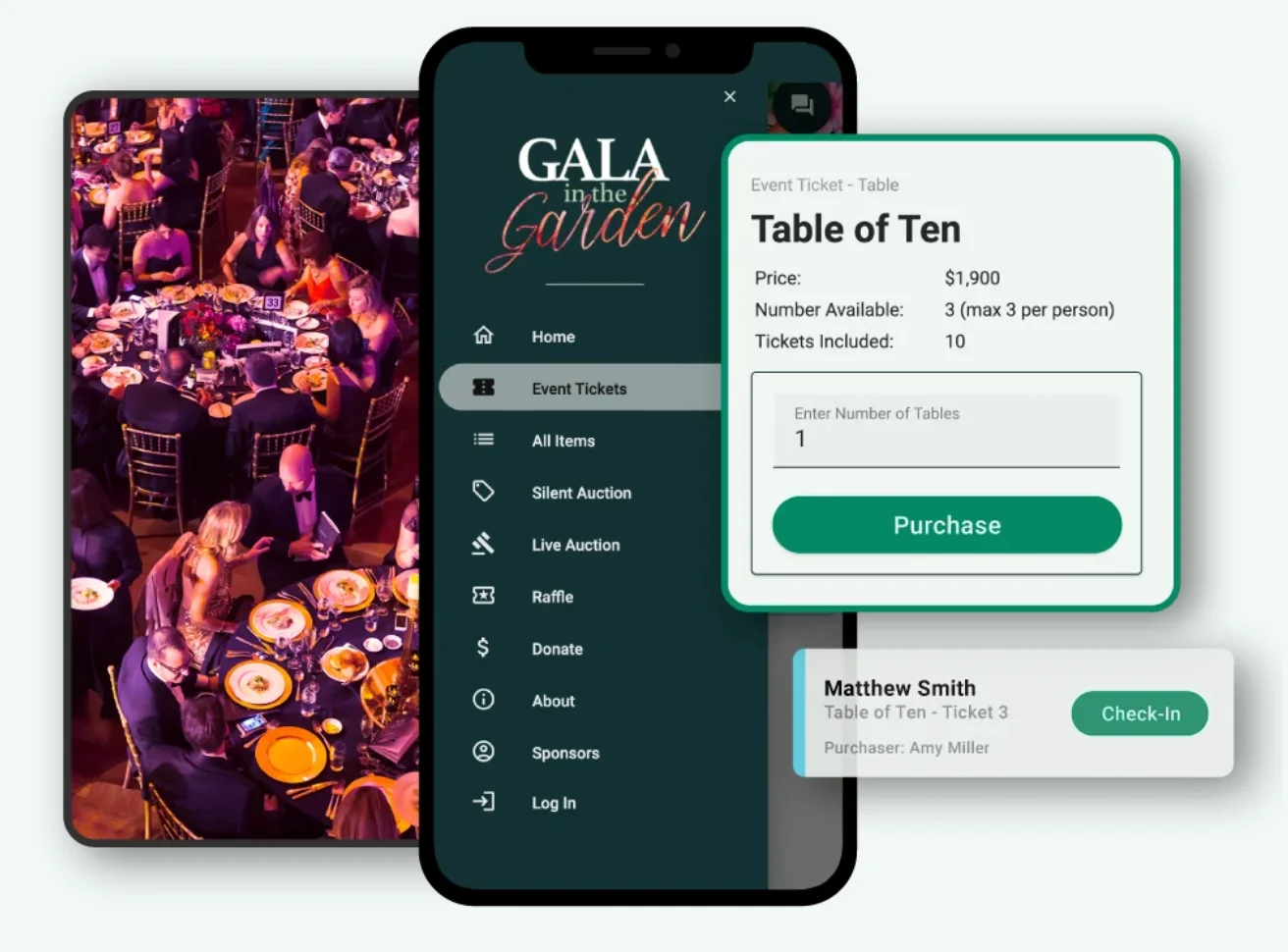
Whether you're organizing your first raffle or improving an annual fundraiser, GalaBid gives nonprofits tools to manage online ticket sales, engage supporters, showcase raffle items, and create organized fundraising experiences.
More advice articles about Raffle
About GalaBid
Ideal for donations. Perfect for Raffles. Awesome for Live and Silent Auctions! GalaBid’s online fundraising platform is designed for fundraisers of all types and sizes. For over 10 years we’ve been helping non-profits, charities, community clubs, churches, schools, and individuals to raise more and make a difference.