A raffle can look simple from the outside: choose an appealing prize, sell tickets, draw a winner, and raise money for your cause. In practice, the difference between a raffle that reaches its fundraising goal and one that struggles often comes down to preparation.
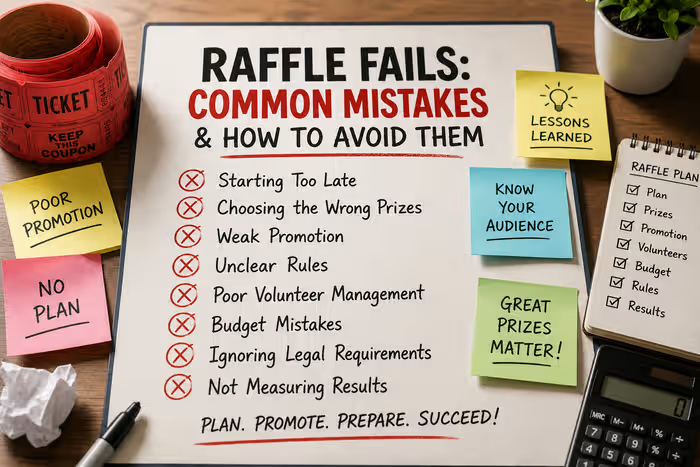
Many raffle fundraiser common mistakes are preventable. Organizers may start planning too late, choose prizes without considering their audience, underestimate promotional work, or fail to give volunteers clear responsibilities. Current search results around raffle fundraising also emphasize three recurring issues: overlooking legal requirements, getting ticket pricing or prizes wrong, and failing to promote the raffle consistently throughout the campaign.
For nonprofits, schools, churches, clubs, and community organizations, identifying these problems before launch can make the fundraiser easier to manage and more enjoyable for supporters. Here are 15 common raffle mistakes and practical ways to avoid them.
1. Starting the Planning Process Too Late
One of the biggest raffle planning mistakes is assuming a raffle can be organized successfully in a few days. Even a relatively simple fundraiser involves more than selling tickets. You may need to secure prizes, approach sponsors, confirm rules, recruit volunteers, prepare promotional materials, and decide how winners will be selected and contacted.
A short timeline creates pressure across the entire team. Sponsor outreach gets rushed, volunteers receive last-minute instructions, and marketing often becomes an afterthought.
A simple planning timeline might look like this:
Your timeline may be shorter or longer depending on the fundraiser, but working backward from the drawing date gives everyone clear deadlines.
2. Setting an Unclear Fundraising Goal
Selling as many tickets as possible isn't a complete fundraising strategy. Before launching, decide what success actually means.
Set a fundraising target and understand approximately how many ticket sales you need to reach it after accounting for expenses. You may also have secondary goals, such as attracting new supporters, building your email list, increasing community awareness, or developing sponsor relationships.
A clear goal makes decisions about your raffle budget, ticket pricing, promotion, and prizes much easier.
3. Choosing the Wrong Prizes
An expensive prize isn't automatically an attractive prize.
One of the most common charity raffle mistakes is choosing something organizers personally like without considering what supporters actually want. A niche prize may have considerable monetary value but generate limited interest if it doesn't fit your audience.
Consider previous fundraising results, supporter demographics, community interests, and feedback from volunteers. Experiences, local dining packages, travel opportunities, technology, family activities, and themed packages can all work, but their effectiveness depends on the audience.
Variety also matters when offering multiple prizes. Recent nonprofit community discussions highlight a practical issue: different supporters value prizes very differently, which makes understanding your audience particularly important when assembling a prize lineup.
4. Paying Too Much for Prizes
A fantastic grand prize can attract attention, but spending too much to obtain it can undermine the fundraiser.
Before purchasing expensive prizes, approach local businesses and existing organizational partners about sponsorship or prize donations. Explain your cause, expected audience, and how the sponsor will be recognized.
Track the actual cost of every prize, even donated items, so you have an accurate picture of your fundraiser's finances and can evaluate the event properly afterward.
5. Getting Ticket Pricing Wrong
Ticket pricing needs to make sense for both the supporter and the organization.
Pricing too high can discourage participation. Pricing too low may require an unrealistic number of sales to reach your fundraising target.
Work backward from your fundraising goal, estimated costs, expected audience size, and campaign duration. Consider whether ticket bundles are appropriate for your raffle. Current industry guidance also recommends connecting ticket pricing to the fundraising goal rather than simply basing it on the prize value.
The goal is to create an easy buying decision while still generating meaningful revenue for your organization.
6. Relying on Weak Promotion
Launching a raffle and posting about it once on social media isn't a marketing campaign.
People are busy. Even enthusiastic supporters may need several reminders before purchasing tickets. Successful raffle promotion should happen throughout the campaign rather than only at launch and immediately before the draw.
Use several channels where appropriate, including email, social media, your website, community groups, sponsors, volunteers, newsletters, and in-person events.
Your Raffle Social Media Promotion strategy can also include prize reveals, fundraising progress, supporter stories, sponsor recognition, countdown posts, and reminders about the cause.
Think of your raffle as an ongoing conversation rather than a single announcement. That's also consistent with current raffle fundraising guidance, which recommends multiple promotional touches throughout a campaign.
7. Making the Fundraising Message All About the Prize
The prize attracts attention, but your mission gives people another reason to participate.
Instead of communicating only, "Win this amazing prize," explain what ticket purchases help accomplish. Could the proceeds support school programs? Fund community services? Purchase equipment? Support a local charity?
Connect the raffle to a clear outcome. Supporters should understand both what they could win and why their participation matters.
8. Creating Unclear Rules and Instructions
Confusion reduces trust.
Before selling tickets, make important information easy for participants to find. Depending on the raffle and applicable requirements, this may include eligibility, ticket prices, sales deadlines, prize descriptions, drawing date, winner selection, winner notification, and contact information.
Avoid changing important terms halfway through the campaign unless necessary and permitted.
Clear information also reduces repetitive questions for your volunteers and gives supporters more confidence when purchasing tickets.
9. Ignoring Legal Requirements
This is one mistake organizers should address before ticket sales begin.
Raffle requirements can vary significantly by country, state, province, territory, or local jurisdiction. Depending on where your organization operates, rules may affect organizational eligibility, permits, online ticket sales, prizes, recordkeeping, advertising, or drawing procedures.
Do not assume that a charitable purpose automatically makes every raffle legal. Current U.S.-focused guidance, for example, emphasizes that raffle rules and nonprofit exemptions vary by state.
Review your Raffle Legal Requirements by State resource and verify current requirements with the appropriate authority. When necessary, seek qualified legal or professional advice.
10. Giving Volunteers Unclear Responsibilities
Volunteers can dramatically increase the reach of a fundraiser, but only when everyone knows what they're responsible for.
Common volunteer management problems include duplicated work, forgotten tasks, unanswered supporter questions, and burnout among a few highly involved people.
Assign specific roles such as raffle coordinator, prize procurement, sponsor outreach, ticket sales, marketing, event-day support, and winner communication. Your Volunteer Roles for Running a Charity Raffle guide can help establish responsibilities before the campaign begins.
Short check-ins throughout the campaign can also identify problems before they become urgent.
11. Having No Backup Plan
What happens if a volunteer becomes unavailable? A sponsor withdraws? A prize delivery is delayed? Your planned drawing method encounters a problem?
You don't need a complicated contingency plan for every possible scenario. Identify the tasks that could seriously disrupt the raffle and decide who or what provides the backup.
The closer you get to the drawing date, the harder it becomes to solve problems that nobody anticipated.
12. Losing Track of the Budget
Strong ticket sales don't necessarily mean strong fundraising results.
If organizers aren't tracking prize expenses, printing, advertising, venue costs, payment fees, and other expenses, the final amount raised may be considerably lower than expected.
Create a simple Charity Raffle Budget Planning document before launch and update it as costs occur. Keep receipts and records together rather than trying to reconstruct everything after the event.
The number that matters isn't only gross revenue. It's how much money remains to support your cause after legitimate costs are considered.
13. Not Tracking Ticket Sales During the Campaign
Don't wait until the drawing closes to discover whether your raffle ticket sales met expectations.
Monitor sales throughout the campaign. Look for patterns such as strong launch-day activity followed by a slowdown or a sudden increase after an email or social post.
If sales are behind target halfway through the campaign, you still have time to respond. You might increase email promotion, ask sponsors to share the raffle, provide volunteers with new materials, or feature the prize more prominently.
Tracking creates opportunities to act while the fundraiser is still running.
14. Measuring Success Only by Revenue
Revenue matters, but it doesn't tell the entire story.
After the fundraiser, review ticket sales, gross revenue, expenses, net proceeds, marketing performance, new supporters, returning supporters, sponsor participation, and volunteer feedback.
Your How to Measure Raffle Success guide can help turn these numbers into useful insights.
For example, you might discover that one email generated more sales than several social posts. That insight is valuable when planning next year's campaign.
15. Skipping the Post-Raffle Review
The raffle isn't finished when the winner receives the prize.
Bring the team together while the experience is still fresh. Discuss what worked, what created problems, which promotions generated engagement, which prizes attracted attention, and what volunteers would change.
Ask supporters for feedback when appropriate. Document the most important lessons and update your Charity Raffle Planning Checklist.
This simple process prevents organizations from repeating the same raffle pitfalls year after year. Each fundraiser should make the next one easier to plan.
Raffle Success Checklist
Before launching your next raffle, confirm that the fundamentals are in place:
A checklist doesn't guarantee that nothing unexpected will happen. It does make it much harder for an important task to disappear in the rush of fundraiser planning.
Frequently Asked Questions
What is the most common raffle fundraiser mistake?
Starting without enough planning is one of the biggest problems because it affects almost everything else, including prizes, volunteers, sponsorships, promotion, budgeting, and ticket sales. Creating a realistic timeline before launch helps prevent many other mistakes.
How early should we begin planning a raffle?
The appropriate timeline depends on the size and complexity of your fundraiser. A larger charity raffle involving sponsors, multiple prizes, volunteers, and extensive promotion may benefit from starting several months ahead. Smaller raffles may require less time. The important thing is to work backward from your drawing date and allow enough time for legal checks, prize sourcing, marketing, and volunteer preparation.
How do we choose prizes people actually want?
Start with your audience rather than the prize. Look at supporter interests, previous fundraising results, community demographics, and feedback. Choose prizes with strong perceived value and broad appeal while keeping acquisition costs under control.
How many volunteers do we need?
There isn't one ideal number. A small online raffle may need only a few people, while a large community fundraiser may require dedicated volunteers for prizes, promotion, ticket sales, sponsors, participant support, and event-day activities. Define the work first, then determine how many people are needed.
Should we review raffle results after the event?
Yes. Review revenue, expenses, ticket sales, promotional performance, volunteer feedback, sponsor involvement, and participant feedback. A short post-event review can reveal improvements that make your next fundraiser easier and more effective.
How can we improve next year's fundraiser?
Document what worked while the information is fresh. Keep useful promotional materials, record your strongest marketing channels, maintain sponsor relationships, collect volunteer feedback, and note which prizes generated the most interest. Next year's planning can then start with evidence instead of guesswork.
Plan a More Successful Raffle with GalaBid
Most raffle problems aren't signs that the fundraiser was a failure. They're useful information that can help your organization improve its next campaign. Strong planning, appealing prizes, consistent promotion, clear volunteer responsibilities, careful tracking, and a thoughtful post-event review can prevent many of the most common mistakes.
GalaBid helps nonprofits organize raffle ticket sales, promote fundraising campaigns, manage participants, and track results through an online raffle platform designed for modern fundraising. By putting the right systems in place before launch, your team can spend less time fixing preventable problems and more time building support for your cause.
More advice articles about Raffle
About GalaBid
Ideal for donations. Perfect for Raffles. Awesome for Live and Silent Auctions! GalaBid’s online fundraising platform is designed for fundraisers of all types and sizes. For over 10 years we’ve been helping non-profits, charities, community clubs, churches, schools, and individuals to raise more and make a difference.