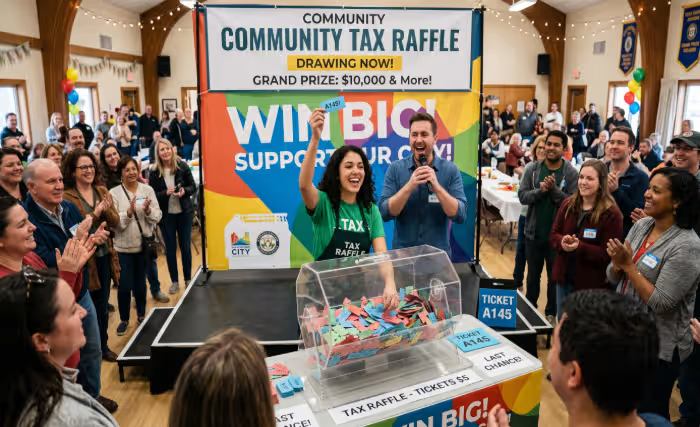
Winning a raffle is exciting, whether it's cash, a vacation package, a new vehicle, or a gift basket. However, many winners are surprised to learn that raffle prizes may come with tax responsibilities. Understanding raffle prize taxes helps winners avoid surprises while helping nonprofit organizations conduct transparent and compliant fundraising events.
The exact tax treatment of raffle prizes depends on several factors, including the type of prize, its value, where the raffle is held, and applicable federal, state, or local laws.
NOTE: While this guide explains the general principles, it is intended for educational purposes only and should not be considered legal or tax advice. If you have questions about your specific situation, consult a qualified tax professional.
Are Raffle Prizes Taxable?
In many situations, raffle prizes are considered taxable because they provide something of value to the winner. Whether the prize is cash or merchandise, tax authorities generally treat it differently from a simple gift.
For nonprofit organizations, understanding raffle tax reporting is just as important as understanding fundraising rules. Proper documentation helps organizers maintain transparency while providing winners with any information they may need.
Although tax rules vary by jurisdiction, most organizations should understand the difference between common prize types.
Regardless of the prize type, winners should keep records of what they received and any documents provided by the raffle organizer.
How Prize Value Is Determined
One of the most common questions about raffle winner taxes is how the value of a prize is determined.
In most cases, the value is based on the fair market value, which is generally the price someone would normally pay to purchase the prize. This may differ from what the nonprofit paid if the item was donated or purchased at a discount.
For example, a local business may donate a television worth several hundred dollars. Even though the nonprofit received it at no cost, the prize still has a fair market value for reporting purposes.
Common examples include:
- Electronics
- Vacation packages
- Sporting event tickets
- Gift baskets
- Gift cards
- Vehicles
- Jewelry
- Home appliances
Nonprofits should maintain documentation showing how the value of each prize was determined. This helps answer questions from winners and supports accurate recordkeeping.
Tax Forms Winners May Receive
Depending on the circumstances and applicable laws, raffle winners may receive tax-related documentation from the organization conducting the raffle.
The reporting process varies depending on the prize, the organization, and legal requirements. Nonprofits often collect information from winners before awarding prizes because it may be needed for reporting purposes.
Organizations may ask winners for:
- Full legal name
- Mailing address
- Contact information
- Identification required by applicable law
- Signed prize acceptance forms
Receiving tax documentation does not automatically mean additional taxes are immediately owed. Instead, it helps ensure the appropriate information is available for reporting when required.
Winners should keep copies of:
- Prize acceptance documents
- Any tax forms received
- Prize descriptions
- Correspondence from the nonprofit
- Photos or receipts when appropriate
Keeping organized records can make future tax preparation much easier.
What Nonprofits Should Document
Running a successful raffle involves more than selling tickets and awarding prizes. Good documentation protects both the organization and the winner.
Important records include:
- Winner's contact information
- Prize description
- Fair market value
- Date of drawing
- Winning ticket number
- Prize acceptance records
- Supporting documentation
- Internal financial records
Organizations should also maintain accurate records of ticket sales, fundraising proceeds, expenses, and prize donations.
If you're organizing a fundraiser, review our Raffle Legal Requirements by State guide alongside your organization's raffle procedures to better understand the broader compliance process.
Common Questions from Winners
Do I owe taxes immediately?
Not necessarily. Tax obligations depend on your individual circumstances and the laws that apply where you live. Receiving a prize does not automatically mean taxes are due immediately, but you should keep all related documentation.
What if I decline the prize?
Some organizations allow winners to decline a prize. If this happens, the raffle rules usually explain whether another winner will be selected or whether another process will be followed. If you have tax questions about declining a prize, consult a qualified tax professional.
What happens if I donate the prize?
Some winners choose to donate their prize back to the nonprofit or another charitable organization. The tax treatment of this decision depends on individual circumstances and applicable tax laws, so professional advice is recommended before making assumptions.
What records should I keep?
Maintain copies of:
- Prize documentation
- Correspondence with the nonprofit
- Any tax forms received
- Prize valuation information
- Personal tax records related to the prize
Good recordkeeping helps if questions arise later.
When should I consult a tax professional?
If you receive a valuable prize, have questions about reporting requirements, or are unsure how the prize affects your personal tax situation, speaking with a CPA or qualified tax advisor is the safest approach.
Common Mistakes to Avoid
Many raffle winners make simple mistakes that create unnecessary confusion later.
One common mistake is assuming every charity raffle prize is automatically tax-free. While charitable organizations often conduct raffles for good causes, the prize itself may still have tax implications.
Another mistake is ignoring tax documentation because it seems unimportant. Even if you don't fully understand the paperwork, keep it with your financial records and discuss it with your tax advisor if necessary.
Losing records is another avoidable problem. Store copies of prize information, correspondence, and any reporting documents in a safe place.
Some winners also misunderstand the prize value. The value used for reporting purposes may differ from what the organization paid for the prize or what you personally believe it is worth.
Finally, don't delay asking for professional advice if you have questions. Addressing concerns early is usually much easier than correcting mistakes later.
Raffle Prize Tax Checklist
Whether you're a raffle winner or a nonprofit organizer, this simple checklist can help keep everything organized.
✔ Confirm the prize value.
✔ Collect or retain winner information.
✔ Keep copies of all prize documentation.
✔ Review any tax forms received.
✔ Maintain records of the raffle drawing.
✔ Store supporting financial documentation.
✔ Consult a qualified tax professional if questions arise.
Frequently Asked Questions
Are raffle prizes taxable?
Many raffle prizes may be considered taxable depending on applicable laws, the type of prize, and your individual circumstances.
Do cash and merchandise prizes have different tax rules?
They can. Cash, merchandise, travel packages, and gift cards may each have different reporting considerations.
Will I receive a tax form?
Some winners may receive tax-related documentation from the organization conducting the raffle. Requirements vary depending on the prize and applicable regulations.
How is prize value determined?
Organizations generally use the fair market value of the prize when preparing documentation and records.
What should nonprofits document?
Nonprofits should document winner information, prize descriptions, prize values, drawing records, and supporting financial documentation to maintain accurate records.
When should I speak with a CPA?
If you have questions about reporting, prize valuation, or your personal tax situation, it's best to consult a qualified CPA or tax professional.
Manage Charity Raffles with Confidence
Whether you're organizing a community fundraiser, school raffle, church event, or nonprofit campaign, proper documentation helps create a transparent and professional experience for everyone involved.
GalaBid makes it easy to organize raffle ticket sales, manage participants, document prize information, and run successful fundraising events from one simple platform. Explore GalaBid's online raffle platform to simplify your next fundraiser while supporting clear recordkeeping and a great participant experience.
More advice articles about Raffle
About GalaBid
Ideal for donations. Perfect for Raffles. Awesome for Live and Silent Auctions! GalaBid’s online fundraising platform is designed for fundraisers of all types and sizes. For over 10 years we’ve been helping non-profits, charities, community clubs, churches, schools, and individuals to raise more and make a difference.