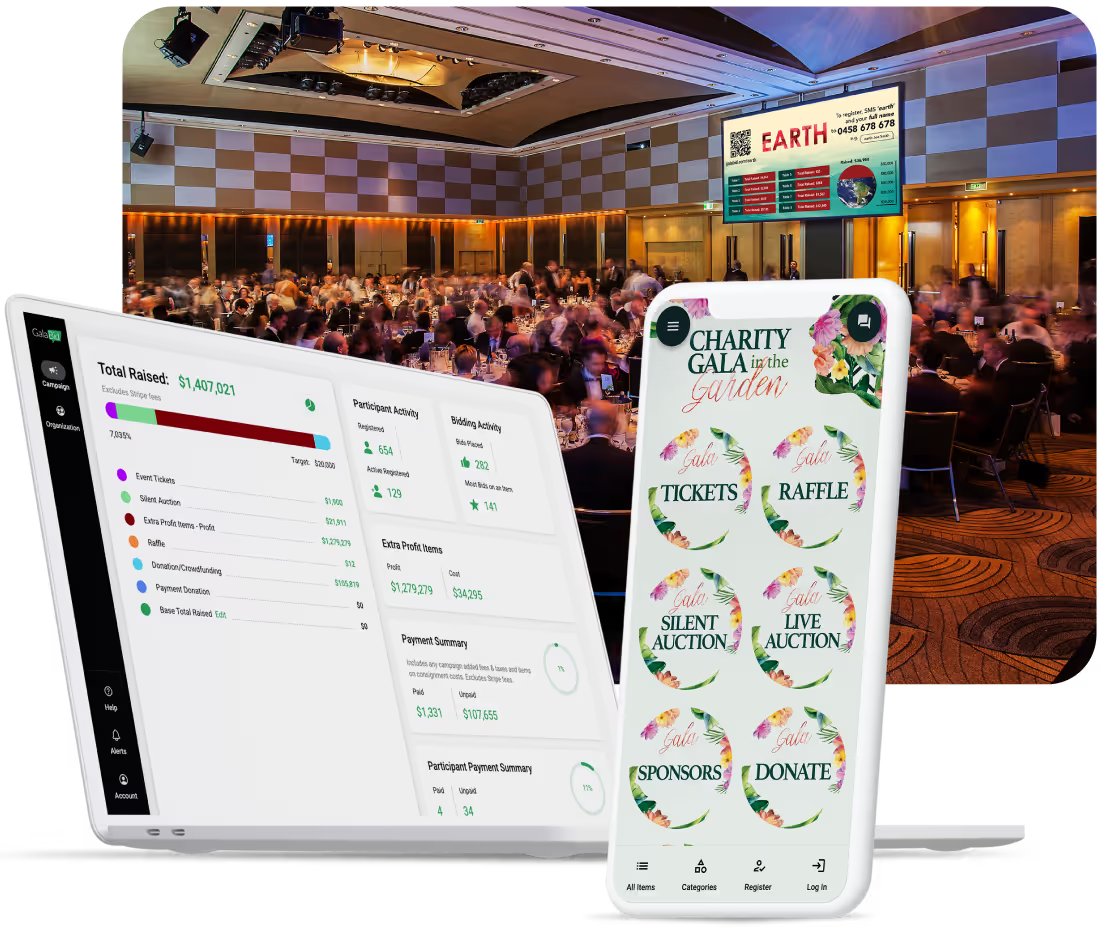
Corporate table sponsorship and individual ticket sales are two different businesses that happen to fill the same room. One is a partnership sold to a company. The other is a purchase made by a person.
They raise different amounts, take different work to sell, and are treated differently by the IRS. That last part is where most nonprofits get caught, because a sponsorship structured carelessly can create a tax bill your finance team was not expecting.
Here is how the two models compare, and how to build sponsorship tiers that hold up.
Corporate Table Sponsorships vs. Individual Tickets: The Short Answer
An individual ticket is a straightforward sale: a supporter pays for a seat and receives admission. A corporate table sponsorship is a company paying for a package that includes seats plus recognition, and it is usually priced well above the value of the seats. Sponsorships raise more per transaction and take longer to sell. They also carry tax rules that individual tickets do not, because the recognition a sponsor receives has to stay an acknowledgment rather than becoming advertising.
Corporate table sponsorship vs. individual tickets
What a Corporate Table Sponsorship Actually Is
A sponsorship is a company buying visibility and hospitality in one package. The seats are part of it, but they are rarely the reason the check gets signed.
What the sponsor is buying is the chance to host clients for an evening, reward staff, and be seen supporting a cause their customers care about. Price the package as if you are selling ten dinners and you will leave a lot on the table.
Worth keeping in perspective, though. Corporate giving reached $43.67 billion in 2025, around 7.1% of total US giving, and grew just 0.5% once inflation is accounted for. It is valuable per transaction, but it is not the fastest-growing source of funds, so building an entire event around it is a risk.
What Individual Tickets Do Better
Individual tickets scale without meetings. Someone sees the event, buys a seat, and you are done. No proposal, no negotiation, no relationship to maintain for a year.
They also give you something sponsorships do not: a name, an email address and a record for every person who bought. That list is the asset you carry into next year.
And they spread your risk. Losing one individual buyer costs you one seat. Losing one sponsor three weeks out costs you a table of ten and a hole in your budget.
The Tax Difference Most Nonprofits Miss
This is the part that separates a sponsorship program that works from one that creates problems. In the US, a payment from a company is either a qualified sponsorship payment or it is advertising income, and the difference is what you give the sponsor in return.
1. Acknowledgment vs. Advertising
A qualified sponsorship payment is one where the company gets no substantial return benefit beyond having its name recognized. Acknowledgment is safe: logos, slogans without comparative language, the sponsor's location, phone number or website, and value-neutral descriptions of what they do.
Advertising is not. Qualitative or comparative language, price information, indications of savings, endorsements, or anything that encourages people to buy from the sponsor all cross the line. The IRS guidance on advertising and qualified sponsorship payments sets out where that line sits.
One detail catches people out. A single message containing both advertising and acknowledgment is treated as advertising in full. Putting "proud sponsor" next to a discount offer in the same slide converts the whole thing.
2. Valuing What the Sponsor Receives
Seats at your gala are a benefit, not just recognition. If a company pays $5,000 for a table and the ten seats are worth $1,000, that $1,000 is a return benefit you have to account for.
The rule is that the payment has to exceed the fair market value of what the sponsor receives. If you cannot show that it does, none of it qualifies as a sponsorship payment. So work out the value of the seats, the hospitality and anything else in the package, and write it down before you sell it.
3. The 2% Rule
Minor benefits are ignored. If everything the sponsor receives totals less than 2% of what they paid, it is disregarded and the payment keeps its qualified status.
For a table sponsorship that threshold is almost never met, because ten dinners are worth far more than 2% of most sponsorship levels. It matters more for smaller recognition-only tiers, where a logo on a program and nothing else keeps things simple.
None of this is tax advice, and GalaBid does not provide any. Your finance team or adviser should confirm how these rules apply to your organization and your event.
How to Build Sponsorship Tiers That Work
Start from what a sponsor actually wants, not from what you would like to charge. Most want three things: to be seen, to host people, and to be able to justify the spend internally.
Build three or four tiers, not eight. Give each one a clear difference that a marketing manager can explain to their boss in one sentence. Table plus logo. Table plus logo plus a speaking moment. Naming rights on the evening.
Then state the fair market value of the benefits in each tier on the agreement itself. It takes one line, it makes the tax position defensible, and it saves an awkward conversation in January.
For the numbers underneath all this, our guide to pricing nonprofit event tickets covers the break-even formula you should be working from.
When to Use Each Model
Lead with sponsorship when your cause has an obvious corporate constituency, when you have board members with business relationships, and when the event is large enough that visibility is worth paying for. A gala for 300 people fits. A supporter picnic does not.
Lead with individual tickets when your audience is your community rather than local business, when the ticket price is modest, and when you want to grow your supporter list rather than your average transaction.
Most events should run both, and the mistake is treating that as one process. They need different asks, different timelines and different people doing the selling.
Running Both at the Same Event
The practical problem with running both is that they collide in your ticket setup. Sponsorship tiers, sponsor tables, and individual seats all have to sell from the same page without confusing anyone.
Sell sponsorships first, before individual tickets open. Sponsors want to know the event will happen and that they are not one of forty logos, and their commitment is what lets you set your individual pricing with confidence.
Then hold seats back. If sponsors take tables late, you need inventory to give them, and it is far easier to release held seats than to move people who have already been seated. Our guide to gala table management covers how that works on the night.
One more thing that is easy to forget: when a sponsor buys a table, you still have nine or ten guests whose details you do not have. Collect them separately, or you will be building a seating plan from a single company name.
How GalaBid Handles Both
Multiple Ticket Types lets sponsorship tiers and individual seats sit on the same page as separate products, each with its own price and its own allocation. Capacity management on each ticket type is what lets you hold seats back for late sponsors.
Table Sales and Guest Management covers the guest problem directly. A sponsor buys the table, then the guests attached to it are invited and tracked individually, so you end up with people rather than one company name against ten seats.
Custom Registration Fields let you collect what each group needs without making everyone answer the same questions, and Secure Payment runs through Stripe. You can run nonprofit ticketing on its own or connect it to your wider fundraising event activity.
Frequently Asked Questions
Is a corporate table sponsorship tax deductible for the sponsor?
Usually the company treats it as a business expense rather than a charitable deduction, but the treatment depends on their circumstances. What matters on your side is whether the payment is a qualified sponsorship payment or advertising income to your organization. Ask your adviser to confirm both sides before you sign an agreement.
What is the difference between a sponsorship and a donation?
A donation is given with nothing substantial returned. A sponsorship involves the company receiving recognition, and often seats or hospitality as well. That return benefit is what triggers the valuation and disclosure rules, which is why sponsorships need documenting more carefully.
How much should a corporate table sponsorship cost?
Price it from the value of the whole package rather than the cost of the seats. A common structure is three or four tiers where the entry level sits somewhere around three times the face value of a table, with recognition increasing at each level. Whatever you charge, record the fair market value of the benefits included.
Can a nonprofit put a sponsor's logo on event materials?
Yes. Logos, slogans without comparative language, contact details and value-neutral descriptions all count as acknowledgment. Adding price information, endorsements or comparative claims turns it into advertising, and a single message containing both is treated as advertising in full.
Should you sell sponsorships or individual tickets first?
Sponsorships first. They take longer to close, they are worth more per sale, and knowing what you have committed lets you set individual ticket pricing with a real budget behind it. Hold some seats back for sponsors who commit late.
In Summary
Corporate table sponsorships raise more per sale and take relationship work to secure. Individual tickets raise less per sale, scale without meetings, and build the supporter list you rely on next year.
Run both, sell sponsorships first, and hold seats back for the ones who commit late. Above all, value what you give sponsors and write it down. That single habit is the difference between a sponsorship program that funds your event and one that hands your finance team a problem.
More articles about Ticketing & Check-in for Fundraising Events
About GalaBid
Ideal for donations. Perfect for Raffles. Awesome for Live and Silent Auctions! GalaBid’s online fundraising platform is designed for fundraisers of all types and sizes. For over 10 years we’ve been helping non-profits, charities, community clubs, churches, schools, and individuals to raise more and make a difference.