Starting a charity fundraiser can feel like a big project, especially if your organization is working with a small team or volunteers. There are goals to set, supporters to reach, fundraising methods to choose, and plenty of details to organize before launch.
The good news is that you do not need to make the process complicated.
If you're wondering how to start a charity fundraiser, begin with a clear purpose, choose a fundraising format that fits your audience, and make it easy for people to participate. From online donations and peer-to-peer campaigns to auctions, raffles, and ticketed events, the right approach depends on your organization and supporters.
This guide walks US charities and nonprofits through the process from the first idea to post-campaign follow-up.
1. Start With a Clear Fundraising Purpose
Before choosing a platform or promoting your fundraiser, define exactly why you are raising money.
Your fundraising purpose should be easy for supporters to understand. Rather than simply asking people to "support our organization," explain what the campaign is intended to accomplish.
For example, a nonprofit might raise funds for a community program, school equipment, an animal shelter project, emergency assistance, or another specific organizational need.
A clear purpose also makes the rest of your planning easier. It gives your team a central message to use across your fundraising page, emails, social posts, and event communications.
2. Set a Fundraising Goal
Once you know why you are fundraising, establish a goal that makes sense for the campaign.
Your target should be based on what your organization needs, the size of your supporter base, the type of fundraiser, previous campaign results where available, and the resources your team has to promote it.
A fundraising goal can also give supporters something concrete to work toward.
Avoid choosing an impressive-looking number without considering whether it is appropriate for your organization. A realistic target based on your circumstances is more useful than an arbitrary one.
3. Identify Who You Want to Reach
Think about who is most likely to participate before deciding how to run your fundraiser.
Your audience could include existing donors, volunteers, parents, alumni, church members, local businesses, employees, community members, or people connected to your supporters.
Different audiences may respond better to different fundraising approaches.
A school community might respond well to a raffle, auction, or peer-to-peer challenge. A nonprofit with donated experiences or products might consider an auction. An organization with an active local community might organize a ticketed fundraising event.
Understanding your audience helps you choose a fundraiser that fits how supporters actually want to participate.
4. Choose the Right Type of Charity Fundraiser
There is no single fundraising format that works for every charity.
Online Donations
A straightforward donation campaign allows supporters to contribute directly to your cause.
This can work well when the purpose of the fundraiser is easy to communicate and supporters do not need an event or additional incentive to participate.
Charity Auctions
Auctions can work particularly well when your organization has donated products, experiences, services, or packages.
Supporters bid on items while helping raise funds for the organization.
Auctions can take place online, in person, or as part of a larger fundraising event.
Raffles
A raffle can add an interactive element to a fundraising campaign, but US raffle requirements vary significantly by state and sometimes by local jurisdiction.
Before running one, verify whether your organization is eligible, whether registration or a permit is required, and what rules apply to ticket sales, prizes, drawings, and online activity.
Ticketed Fundraising Events
Galas, dinners, community events, performances, and other activities can use ticket sales as part of the fundraising model.
Ticketing can also be combined with donations, auctions, or other fundraising activities during the event.
Peer-to-Peer Fundraising
Peer-to-peer fundraising turns supporters into fundraisers.
Participants create or share fundraising campaigns with friends, family members, coworkers, and their wider networks.
Charity walks, runs, personal challenges, birthday campaigns, and team fundraising can all use this model.
5. Decide How People Will Participate
Once you have chosen the fundraiser, map out the supporter journey.
Imagine you are discovering the campaign for the first time.
How do you learn what the fundraiser supports? Where do you register? How do you donate or participate? What happens after payment? What information do you receive afterward?
Every unnecessary step can create friction.
Your fundraising page should explain the purpose of the campaign, what supporters need to do, important dates, and any other information required to participate.
Mobile usability matters too. Many supporters may discover your fundraiser through email, messaging apps, social media, or a QR code and complete the process from their phones.
6. Choose a Fundraising Platform
Technology should support the fundraiser rather than make it more complicated.
Before choosing a fundraising platform, identify the functionality you actually need.
If you are running an auction, consider auction item management, mobile bidding, bid tracking, notifications, and payments.
For a ticketed event, registration and ticket management may be more important.
A campaign involving several fundraising activities may benefit from bringing auctions, ticketing, donations, raffles, and other tools together rather than managing each activity separately.
Also review payment processing, reporting, support, ease of use, and any applicable platform costs before making a decision.
7. Build Your Fundraising Campaign
Your campaign page should quickly answer the questions supporters are likely to have.
Explain who is organizing the fundraiser, what the campaign supports, how people can participate, when it takes place, and what happens next.
Use clear language rather than assuming visitors already know your organization.
Photos and other relevant campaign materials can help people understand the cause, but avoid overcrowding the page with information that does not help someone decide whether or how to participate.
Before launching, test the entire process yourself.
Open the campaign on desktop and mobile. Follow the supporter journey. Test registration, bidding, ticketing, or donation functionality as appropriate.
8. Create a Promotion Plan Before Launch
A fundraiser does not automatically attract supporters simply because it has been published.
Decide how people will discover it.
Promotion may include your email list, social media channels, website, newsletters, volunteers, community partners, sponsors, local organizations, and participants' personal networks.
Prepare key messages and campaign materials before launch so your team is not creating everything at the last minute.
Promotion should also continue throughout the fundraiser.
A launch announcement is only the beginning.
9. Give Supporters a Reason to Share
Your existing supporters can help extend the fundraiser beyond your organization's direct audience.
Make sharing easy.
Provide a clear campaign link and useful information supporters can send to friends, relatives, coworkers, and their communities.
For peer-to-peer campaigns, give participants resources they can personalize rather than requiring them to write every fundraising message from scratch.
Personal recommendations can introduce your organization to people who may never have encountered it through your normal marketing channels.
10. Keep Supporters Engaged During the Fundraiser
Do not disappear after launch.
Share relevant updates, remind supporters of important dates, answer questions, and recognize campaign milestones where appropriate.
For an auction, that might mean reminding supporters when bidding is closing.
For an event, it could mean sending important attendance information.
For a peer-to-peer campaign, participants may need fundraising ideas or reminders.
Communication helps keep the fundraiser active and gives supporters reasons to return.
11. Monitor Your Fundraiser
Track campaign activity while the fundraiser is running.
The exact information available depends on your fundraising platform and campaign format, but useful data may include registrations, donations, ticket activity, auction participation, campaign traffic, and supporter engagement.
Monitoring can help you identify problems while there is still time to address them.
For example, if people are visiting a campaign but few are participating, review whether the next step is clear. If registrations are strong but event communications are being missed, adjust how you reach attendees.
Use data to understand the campaign rather than assuming every fundraiser will behave the same way.
12. Close the Fundraiser Clearly
Tell supporters when the fundraiser ends and what happens next.
Auction participants may need information about winning bids and payments. Event attendees may need final instructions. Donors should receive appropriate confirmation and acknowledgment.
Your team should also have a plan for reconciling campaign information, reviewing results, and following up with supporters.
A clear closing process can prevent confusion and unnecessary administrative work.
13. Thank Your Supporters
A donation, bid, ticket purchase, volunteer shift, or shared campaign represents someone's decision to support your organization.
Recognize that contribution.
Thank supporters promptly and communicate the outcome of the campaign when appropriate.
If you explain how funds will be used, make sure the information is accurate and avoid promising specific outcomes that your organization cannot guarantee.
Fundraising is also about relationships. How you communicate after the campaign can influence whether supporters stay connected.
14. Turn a One-Time Fundraiser Into an Ongoing Relationship
Finishing a fundraiser does not mean the relationship with supporters has to end.
Someone who attended an event could participate in another campaign. An auction bidder could become a donor. A peer-to-peer participant could volunteer. A one-time donor might be interested in recurring giving.
This is where a monthly giving program can complement event-based fundraising.
Events and campaigns create specific moments for people to support your organization. Recurring giving provides interested supporters with another way to stay involved over time.
Rather than automatically pushing every event attendee toward monthly giving, give supporters relevant options based on how they engaged with the organization.
The goal is to build a longer-term relationship, not simply make another immediate ask.
Common Mistakes When Starting a Charity Fundraiser
One common mistake is choosing a fundraising format before understanding the audience.
Another is creating too many steps for supporters. Complicated registration, unclear instructions, or a difficult mobile experience can make participation harder than necessary.
Organizations can also underestimate promotion. Even a well-designed fundraiser needs a plan for reaching people before and during the campaign.
For regulated fundraising activities such as raffles, do not assume the same rules apply everywhere in the United States. Verify applicable state and local requirements before launching.
Finally, avoid measuring the campaign only by the final amount raised. Participation, new supporters, engagement, and lessons for future campaigns can also provide useful information.
How to Start a Charity Fundraiser Successfully
If you're researching how to start a charity fundraiser, focus first on the fundamentals.
Start with a clear purpose. Set an appropriate goal. Understand your audience. Choose a fundraising format that fits your supporters. Make participation simple. Promote the campaign consistently and stay connected with people after it ends.
You do not need every fundraising method at once.
A focused campaign that supporters can easily understand and participate in is a better starting point than an unnecessarily complicated fundraiser.
As your organization learns what works, you can build on that experience with future events, peer-to-peer campaigns, auctions, ticketing, donations, recurring giving, and other fundraising activities.
Start Your Next Fundraiser With GalaBid
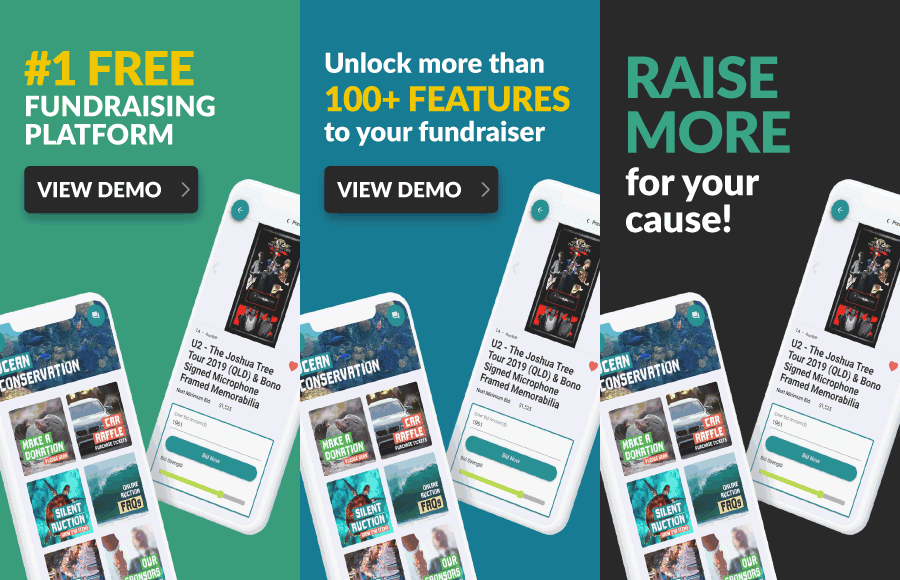
Whether you're planning an auction, raffle, ticketed event, or donation campaign, GalaBid helps bring fundraising activities together in one place.
Supporters can participate from their own devices without needing to download an app, while your team has access to real human support 24/7. Funds never touch GalaBid, helping your organization maintain a direct payment relationship with its supporters.
Ready to start your next charity fundraiser? Explore GalaBid and see pricing for your region.
More advice articles about Fundraising
About GalaBid
Ideal for donations. Perfect for Raffles. Awesome for Live and Silent Auctions! GalaBid’s online fundraising platform is designed for fundraisers of all types and sizes. For over 10 years we’ve been helping non-profits, charities, community clubs, churches, schools, and individuals to raise more and make a difference.