
Paper bid sheets have been a familiar part of nonprofit silent auctions for years. Guests walk from table to table, write down their name or bidder number, enter a bid, and return later to see whether someone has outbid them.
The process is simple, but it can become difficult to manage as an event grows. Supporters have to physically revisit items to check their bids, volunteers need to monitor sheets, and the fundraising team has more information to organize when bidding closes.
An auction platform moves almost all of this process online. Instead of recording bids on paper, supporters can use their phones to scan a QR code, browse auction items, place bids, favorite items, and respond when another participant outbids them.
For US nonprofits running silent auctions at galas, school fundraisers, and charity events, switching from paper bid sheets can make both bidding and auction management easier.
What Are Paper Bid Sheets?
A paper bid sheet is placed beside a silent auction item and records the bids submitted by participants.
A typical sheet may include the auction item, starting bid, minimum bid increment, bidder name or number, and bid amount.
Bid sheets are typically used during fundraising events. While the silent auction is open supporters write their bids on the sheet. If another person submits a higher bid, the previous bidder needs to return to the table and check the sheet to find out.
At the end of the auction, organizers close bidding, review the sheets, determine the winning bidder for each item, tally the total owing for each winner and arrange payment.
This approach can work for smaller events, but it relies heavily on manual participation and administration.
What Changes When You Use an Auction Platform?
An auction platform digitizes many of the steps traditionally handled with paper.
Instead of displaying only a physical item and bid sheet, the nonprofit creates a digital listing containing information about the auction item.
Supporters can then access the auction from their phones or other devices.
Depending on the platform and event setup, participants may be able to:
- browse available auction items
- view item descriptions and images
- see current bidding activity
- place a bid or a max bid (also known as a proxy bid)
- receive bidding updates by text message or email
- check whether they are still leading
- complete payment online or in person by paying cash or check.
The fundamental idea of a silent auction does not change. Supporters still compete by placing progressively higher bids.
What changes is how those bids are submitted, tracked, and managed.
Paper Bid Sheets vs. an Auction Platform
The differences become clearer when you compare the two approaches.
The biggest difference is not simply replacing paper with a screen. An auction platform changes how supporters engage with the fundraising parts of an event.
Supporters Can Bid Without Returning to the Auction Table
With paper bidding, the location of the auction item matters.
A supporter interested in a weekend getaway may place a bid, walk away to enjoy dinner, and later need to return to the table to see whether that bid is still leading.
Digital bidding removes that dependency.
A supporter can potentially check the item and submit another bid directly from their phone.
This can be especially useful at larger nonprofit events where guests may be spread across a ballroom, dining area, stage area, or other parts of the venue.
Rather than asking guests to continually monitor physical sheets, the auction can travel with them.
Online silent auctions are also very useful when there are other fundraising activities going on at the event, competing for event guests' attention. Paddle raises, online raffles and live auctions are commonplace at fundraising events and a good auction platform will facilitate all of them.
Outbid Notifications Can Keep Supporters Involved
One challenge with paper bid sheets is that participants may not realize they have been outbid.
Someone may place a bid early in the evening and assume they are still winning. By the time they return to the auction table, bidding may already be closed.
Digital auction platforms can address this through bidding notifications.
Depending on the platform, supporters can receive an update when another participant places a higher bid. They can then decide whether they want to bid again. A good auction platform will include a link to the item making it easy for the bidder to bid again. A good auction platform will also allow bidders receive those outbid notifications via text message instead of email.
This creates a more active bidding experience without requiring supporters to repeatedly check every item in person.
Auction Staff Can Track Bidding Digitally
Paper auctions also create work behind the scenes.
Volunteers may need to watch tables, make sure pens don't disappear just before the close, police bid increments, decipher the names of winning bidders, tally winners' totals, create invoices and collect payment.
An auction platform creates a digital record of bidding activity.
Organizers can monitor the auction through the platform instead of relying entirely on individual paper sheets.
This does not eliminate the need for event volunteers. Staff may still help supporters, manage physical items, answer questions, and oversee the event.
It can, however, reduce some of the repetitive administrative work associated with manually recording and checking bids.
Auction Items Can Include More Information
Physical bid sheets have limited space.
An online auction listing can provide more room to explain what the supporter is bidding on.
For example, an organization may be able to include photos, videos, descriptions, restrictions, package details.
That can be particularly useful for experiences such as vacations, restaurant packages, event tickets, or services where the full value of the item may not be obvious from a small display on a table.
Clear information can also reduce the number of questions volunteers need to answer during the event.
Online Bidding Can Extend Participation Beyond the Venue
Paper bidding generally requires a participant to be physically present.
An auction platform can allow a nonprofit to open bidding online, depending on how the fundraiser is structured.
That means participation does not necessarily have to be limited to guests standing inside the event venue.
A supporter who cannot attend the gala may still be able to browse available items and participate remotely.
For nonprofits with supporters across different communities, this can create a broader auction experience than paper bid sheets alone.
Organizations should still consider any applicable rules, policies, or restrictions when structuring their fundraising activities.
Mobile Bidding Can Work Alongside an In-Person Event
Moving away from paper does not mean moving away from an in-person fundraiser.
Digital bidding can complement the physical event.
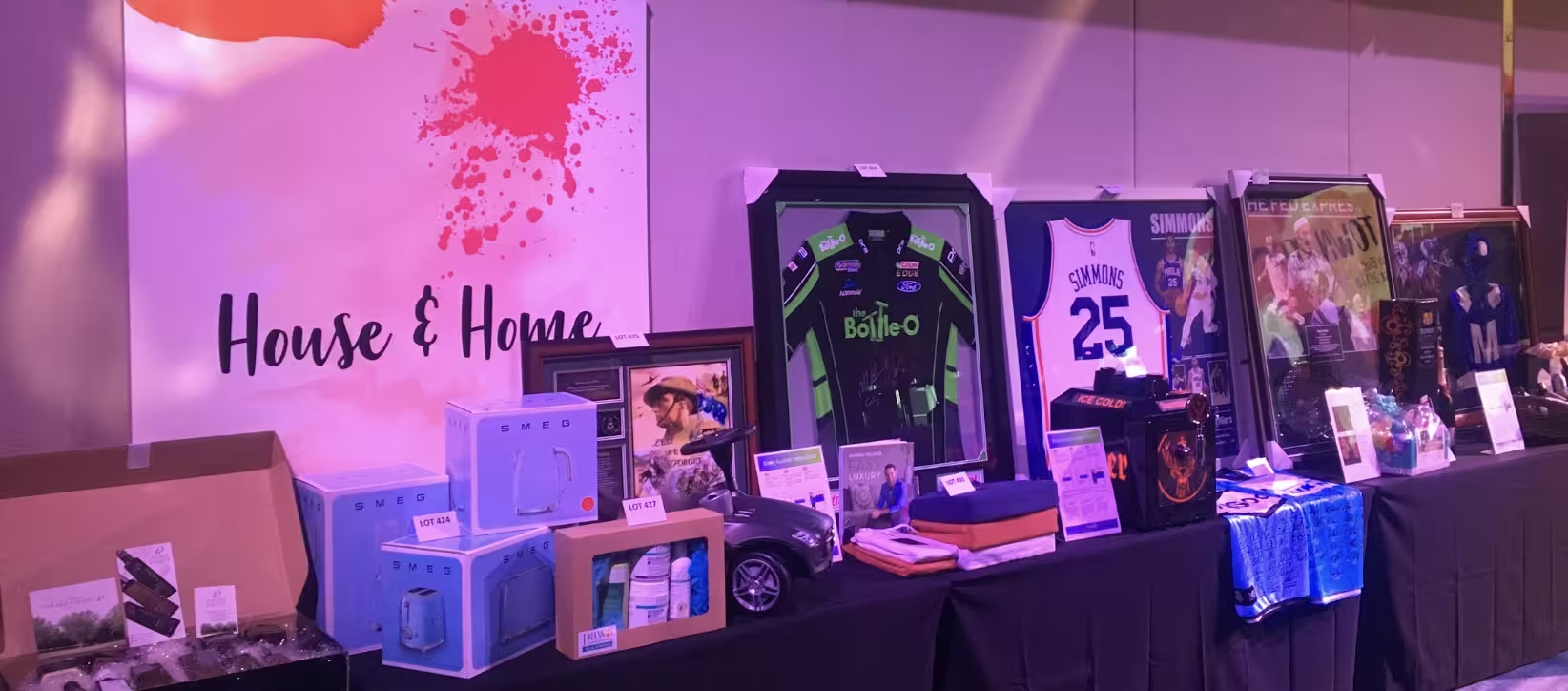
A nonprofit can still display donated items around the venue so guests can see them in person. The difference is that bidding happens through a mobile-friendly auction platform instead of on a sheet beside the item.
A good auction platform will include QR codes for each item and printable displays for each item including a QR code. An auction platform that is optimized for for events will include vital event tools such as leaderboards, staff accounts to act on behalf of bidders who need assistance and event ticketing and check-in,
This creates a hybrid experience combining the atmosphere of a traditional benefit event with the convenience of digital bidding.

Closing the Auction Becomes Easier to Manage
Closing time can be one of the busiest parts of a paper silent auction.
Volunteers may need to stop bidding simultaneously across several tables, collect sheets, identify final bids, match bidder numbers, and prepare information for checkout.
Digital auction platforms can centralize the bidding record.
When bidding closes, organizers can use the recorded auction information to determine winning bids rather than manually reading and reconciling multiple sheets.
The exact closing and winner-management process varies by platform, so nonprofits should test these functions before event day.
Payments Can Be Connected to the Auction Experience
With paper bidding, winning the item and paying for it are often separate steps.
That can create another line or administrative process at the end of the event.
Some auction platforms connect bidding with digital payment functionality, allowing organizations to manage more of the process within the same fundraising system.
When comparing platforms, nonprofits should understand how payments are processed, what payment processor is used, what fees may apply, and where funds are deposited.
For GalaBid campaigns using Stripe, payments go directly to the organization's connected Stripe account rather than being held by GalaBid.
Digital Bidding Creates Better Auction Records
Paper sheets provide a record of bids, but turning those sheets into useful post-event information can require manual work.
Digital auction platforms can provide structured auction data and reporting.
This can help organizers understand which items received interest, review bidding activity, identify winning bids, and manage auction results.
For nonprofits running recurring galas, school auctions, or annual fundraising events, having organized digital records can also make planning the next event easier.
Does Moving Online Make the Event Less Personal?
Not necessarily.
The purpose of an auction platform is not to replace the human side of a nonprofit event.
Guests can still walk around the venue, view auction items, mingle with other supporters, enjoy dinner, listen to speakers, and participate in the wider fundraising experience.
Digital bidding simply changes one part of that process.
Instead of spending time writing bids and checking sheets, supporters can manage their auction participation from their phones while continuing to enjoy the event.
The technology should support the fundraiser rather than become the focus of it.
When Do Paper Bid Sheets Still Make Sense?
Paper bidding is not automatically the wrong approach.
A very small community fundraiser with only a handful of auction items may find that paper sheets are sufficient.
The decision depends on the event.
Consider the number of auction items, expected participants, volunteer capacity, event format, remote participation needs, payment process, and how much manual administration your team is comfortable managing.
As the auction becomes larger or more complex, the advantages of managing bidding digitally may become more significant.
What Should Nonprofits Look for in an Auction Platform?
If your organization is considering moving away from paper bid sheets, look beyond whether a platform simply allows online bidding.
Consider the complete experience for both supporters and organizers.
Ask questions such as:
Can supporters bid easily from their phones?
The process should be straightforward for people who may never have used the platform before.
Is an app required?
Requiring an additional download can introduce another step for guests.
How are supporters notified when they are outbid?
Understand how bidding updates work.
Can remote supporters participate?
This may matter if you want to expand the auction beyond the physical venue.
How are payments handled?
Understand the payment flow and associated costs.
Can volunteers easily manage the auction?
A long feature list has limited value if the platform is difficult for your team to operate.
What support is available?
Event-day questions are often time-sensitive. Support available during evenings and weekends can be crucial
The Salvation Army's Experience
The Salvation Army of Greater Charlotte's Women of Distinction Event is a great example a growing event that was experiencing the limitations of paper bid sheets. The team made the switch to an online auction platform with great success. What once took a small army of volunteers to manage on paper became streamlined and stress-free with GalaBid.
Moving From Paper Bid Sheets to GalaBid
GalaBid gives US nonprofits a digital alternative to traditional paper bidding.
Supporters can participate using their own devices without downloading an app. Organizations can manage auction items digitally while still displaying items or item information at an in-person fundraiser.
GalaBid can also brings silent auctions together with other fundraising activities, including ticketing, buy it now's , and donations, so organizations do not necessarily need a separate system for every part of their event.
Real human support is available 7 days a week and 24 hours a day Monday to Saturday. Funds safety is paramount. Auction invoices are processed by the fundraiser's own Stripe account and do not pass through GalaBid.
For organizations planning a silent auction, gala, school fundraiser, or other charity event, an auction platform can turn a traditionally manual bidding process into a connected digital experience that is fun for participants and raises more for good causes.
More about
Silent Auction
About GalaBid
Ideal for donations. Perfect for Raffles. Awesome for Live Auction and Silent Auctions! GalaBid’s online fundraising platform is designed for fundraisers of all types and sizes. For over 10 years we’ve been helping non-profits, charities, community clubs, churches, schools, and individuals to raise more and make a difference.