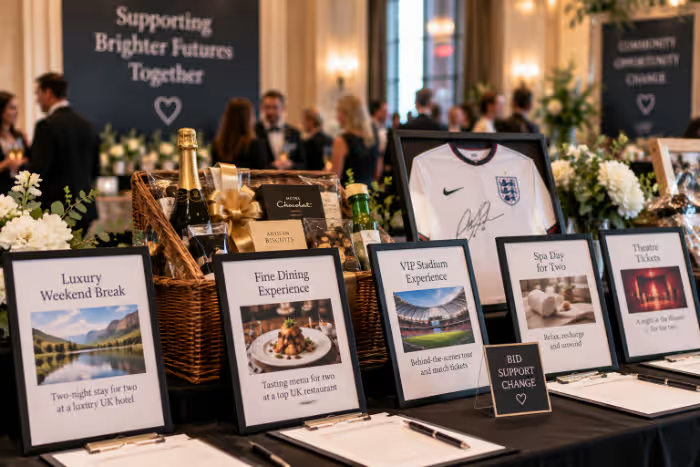
The best silent auction prizes aren't necessarily the most expensive items on the table. A strong prize is one that fits your supporters, is easy to understand and redeem, and gives potential bidders a genuine reason to participate.
For UK charity events, this could mean anything from a restaurant experience or weekend break to sports tickets, a family day out or something unique that your organisation can offer.
There isn't one category of silent auction prizes that will attract the most bids at every fundraiser. Your audience, event format, prize restrictions, presentation and availability can all affect bidder interest. If you've run previous auctions, your own bidding data can be particularly useful when deciding what to offer next.
What Makes a Good Silent Auction Prize?
Before building a long list of silent auction items, think about why someone would want to bid on each one.
It Matches Your Audience
Start with the people who are likely to participate.
A school fundraiser attended mainly by parents and families may need a different prize mix from a corporate charity dinner, sports club fundraiser or community event.
Consider what your supporters already engage with and what would be practical for them to use.
The Prize Is Easy to Understand
Bidders should be able to look at the listing and quickly understand what they could win.
Instead of simply advertising a "Hotel Break", explain the number of nights, location, what's included and any important restrictions.
Clear information makes it easier for supporters to decide whether the prize is relevant to them.
It Has Few Unnecessary Restrictions
A desirable prize can become less practical when it has complicated redemption requirements.
Check for expiry dates, excluded dates, geographical restrictions, booking requirements, age restrictions and additional costs before putting an item up for bidding.
Restrictions don't automatically make a prize unsuitable, but bidders should know about them beforehand.
It Offers Something Desirable or Memorable
Some prizes give supporters access to an experience they might enjoy but wouldn't normally arrange for themselves.
This could be a special dining experience, hospitality package, workshop or access connected to your charity or one of its partners.
The important point isn't whether an item is objectively "exclusive". It's whether it has meaningful appeal to your particular supporters.
It Is Easy to Redeem
Think beyond winning the auction.
Can the winner easily book, collect or use the prize? Is there a clear contact person? Does the voucher remain valid for a reasonable period?
The easier the fulfilment process is to understand, the easier it is to describe the prize accurately before bidding.
15 Silent Auction Prize Ideas for UK Charity Events
The following categories can provide a useful starting point when choosing good items for a silent auction. They aren't ranked because the right choice depends on your audience.
1. Restaurant and Dining Experiences
Restaurant vouchers, tasting menus, afternoon tea and special dining experiences can make straightforward auction prizes because bidders can quickly understand what they're receiving.
A local restaurant could offer dinner for two, while a hotel might contribute afternoon tea or a dining package.
Before listing the prize, confirm what's included. Check the voucher value or package details, expiry date, excluded dates, reservation requirements and whether extras such as drinks or service charges are included.
2. Weekend Breaks and Hotel Stays
A UK countryside break, city stay or hotel night can give bidders an experience rather than another physical item.
The description needs to be particularly clear. State how many nights are included, the room type where known, whether breakfast or other extras are provided and any restrictions on when the stay can be booked.
Also explain whether the winner will need to pay for travel or other costs that aren't included.
3. Theatre and Entertainment Tickets
Theatre performances, comedy shows, concerts and other entertainment events can work well when they match the interests of your supporters.
Check whether the tickets are for a specific performance or whether the winner can choose from available dates.
If the date is fixed, make that particularly prominent. A potentially attractive prize may appeal to fewer bidders if they only discover the date after winning.
4. Sporting Event Tickets
Football, rugby, cricket, tennis and other sporting events can provide appealing prizes for the right audience.
Possible options include match tickets, hospitality or experiences supplied by a club or partner.
Make sure bidders know the event, date, location, number of tickets and exactly what the package includes.
Avoid describing access as "VIP" or "hospitality" unless that's genuinely what has been provided.
5. Exclusive Experiences Connected to Your Charity
Some of the most distinctive auction prizes may come from the charity's own network rather than a retailer.
Depending on your organisation, you might be able to offer an appropriate behind-the-scenes visit, access to an event, an experience involving a partner or another opportunity supporters couldn't simply purchase elsewhere.
This category can help distinguish your auction from one consisting entirely of retail vouchers.
Only offer experiences that have been properly approved, and make any eligibility, safeguarding, scheduling or other relevant conditions clear.
6. Spa and Wellness Experiences
A spa day, treatment or wellness package could be suitable for supporters interested in relaxation or personal care.
Before listing it, check which services are included, where the experience takes place, how bookings work and whether there are restrictions.
Avoid making health or therapeutic claims that aren't supported by the provider.
7. Family Days Out
Attraction tickets and family experiences may be appropriate when parents and families form a significant part of your audience.
Potential options include visitor attractions, activity centres and other family-oriented experiences.
Check how many people the prize covers and whether there are restrictions based on age, date, location or availability.
8. Food and Drink Experiences
Food tours, cookery experiences, afternoon tea and tasting events can provide alternatives to a standard restaurant voucher.
If alcohol is included, make sure the way the prize is supplied and redeemed is appropriate and that relevant restrictions are communicated.
Don't assume that including alcohol automatically makes a package more attractive. Choose prizes based on your audience and fundraiser.
9. Travel Experiences
Travel-related prizes can range from accommodation to larger packages supplied by donors or partners.
These require particularly careful descriptions.
Explain exactly what is included and, equally importantly, what isn't. Flights, transfers, meals, insurance, taxes or other expenses shouldn't be implied if they're not part of the prize.
Check booking conditions and expiry dates before bidding opens.
10. Unique Local Experiences
Look around the area your charity serves.
Local attractions, restaurants, independent businesses and experience providers may be able to offer something closely connected to your community.
Examples might include a local food experience, guided activity, attraction visit or workshop.
A locally relevant prize doesn't automatically attract more bids, but it can be particularly practical when many supporters live nearby.
11. Lessons and Classes
Cooking lessons, photography sessions, fitness classes, craft workshops and specialist tuition can all become auction prizes.
These can be especially interesting when the instructor or business has a connection to your organisation or local community.
Explain whether the prize is for an individual, couple or group, how long the session lasts and where it takes place.
12. Memberships and Subscriptions
A membership or subscription gives the winner something they can use beyond a single day.
Possibilities might include leisure memberships, attraction memberships or appropriate subscriptions donated by businesses.
Before listing one, confirm the duration, activation process and whether it is available to new members only.
13. Professional Services
Businesses and supporters may be able to contribute services rather than products.
Examples could include a photography session, gardening service, personal training session or another clearly defined professional service.
Be precise about what is included. "Photography package" is vague, while a description stating the length of the session, location and what the winner receives afterwards is much more useful.
14. VIP and Behind-the-Scenes Experiences
Some organisations, venues or partners may be able to offer access that isn't normally available through a standard ticket.
That could include a behind-the-scenes visit, special event access or an appropriately described hospitality experience.
These prizes need accurate descriptions. Don't imply access to people, locations or activities that haven't been confirmed by the donor.
15. Signed and Collectable Items
Signed sports memorabilia, entertainment-related items and other collectables can be relevant when they match your audience.
Provenance matters.
Before describing something as genuinely signed or authenticated, make sure you have appropriate evidence supporting that description. Include relevant provenance information in the listing rather than making unsupported claims about authenticity or future value.
Experiences vs Physical Items: What Gets More Bids?
There isn't a universal winner between experiences and physical items.
An experience can be appealing because it offers something memorable or difficult to purchase normally. A physical item can be attractive because bidders immediately understand what they're receiving and may be able to take it home after the event.
What matters more is the relationship between the prize and the audience.
A football hospitality experience might attract considerable interest at one fundraiser and very little at another. The same applies to hotel stays, restaurant vouchers, collectables and physical products.
When evaluating a prize, consider its relevance, accessibility, restrictions, presentation and how easily supporters can understand its value.
If your charity has previously held auctions, use your own results as evidence. Look at which categories attracted multiple bidders, which items received limited interest and whether certain restrictions appeared to reduce participation.
Your own auction history can be more useful than assuming a generic list of silent auction items that sell will perform the same way for every audience.
How to Choose Prizes Your Supporters Will Actually Bid On
Choosing auction prizes should start with your supporters rather than the prize catalogue.
Know Your Audience
Consider who is likely to participate and what you already know about their interests.
A school fundraiser, sports event, corporate dinner and community charity evening may each attract different groups of bidders.
Avoid relying on broad assumptions about age, income or other demographics. Use information you actually have about your supporters and previous fundraising activities.
Review Previous Auction Performance
If you've run silent auctions before, review the results.
Look beyond the final winning amount. Consider which items attracted several bidders, which had limited activity and which categories generated repeat interest.
You may also discover that some seemingly attractive items struggled because of their location, date or redemption restrictions.
Use those observations when selecting items for your next auction.
Consider Accessibility
Ask how easy it will be for the winner to use the prize.
A restaurant voucher that's only valid at a distant location, for example, may have a smaller relevant audience than one supporters can use locally.
Similarly, an experience available on only one specific date requires the winner to be free at that time.
Make restrictions visible rather than hiding them in small print.
Offer Variety
Not every supporter will want the same type of prize.
A mixture of experiences, hospitality, services, family activities and physical items can give participants different reasons to browse the auction.
Variety doesn't mean collecting every donation offered. Each item should still make sense for the fundraiser.
Consider Different Values Without Setting Arbitrary Targets
Including prizes with different values can give supporters a wider range of bidding opportunities.
However, there isn't a universal price mix that every auction should follow. Consider your audience and available prizes rather than forcing items into predetermined value bands.
Prioritise Relevance Over Quantity
A longer auction catalogue isn't automatically a stronger one.
Every additional item requires a description, bidding setup, promotion, winner management and fulfilment.
Choose prizes deliberately rather than adding weak or poorly documented items simply to increase the number available.
Where Can UK Charities Get Silent Auction Prizes?
Potential sources include local businesses, hotels, restaurants, attractions, sports organisations, professional service providers and corporate partners.
Your existing network can also be useful. Trustees, volunteers, supporters, sponsors and suppliers may know businesses willing to consider a donation request.
Donation policies vary, so don't assume that a particular company will provide a prize.
Instead, research relevant organisations and make a clear request explaining your charity, fundraiser and the type of contribution you're seeking.
For a detailed sourcing process and customisable outreach email, see How to Get Silent Auction Prizes Donated by UK Companies.
Silent Auction Prizes to Be Careful With
A donated prize isn't automatically a good auction item.
Consider the following carefully before adding them to your fundraiser.
Prizes With Very Narrow Appeal
A specialist item may be valuable but relevant to only a small proportion of your audience.
That doesn't mean you should reject it automatically. Consider whether you have enough potential bidders who would genuinely want it.
Prizes With Short Expiry Dates
Check whether the winner will have reasonable time to redeem the prize after the auction.
Display expiry information clearly.
Prizes With Significant Additional Costs
A prize may appear attractive until the winner discovers substantial expenses aren't included.
For example, accommodation without travel may still be useful, but don't imply that the entire trip is covered if it isn't.
Highly Location-Restricted Prizes
Consider whether your likely bidders can realistically use the item.
A local service may work well for a community fundraiser but be less practical for an online auction with supporters across the UK.
Prizes With Complicated Redemption Requirements
Multiple booking conditions, narrow availability or unclear redemption procedures can make an item harder to understand.
Get the full terms from the donor before listing it.
Items With Unclear Authenticity or Provenance
Be particularly careful with signed memorabilia, collectables and other items where authenticity contributes to their appeal.
Don't make claims that you cannot substantiate.
Prizes With Incomplete Information
Don't rush a donated item into the auction while you're still unsure what the donor has actually provided.
Confirm the prize details first, then create the listing.
How Should You Present Silent Auction Prizes?
Even a potentially attractive prize needs an accurate listing.
Give each item a clear title followed by a concise description of what the winner will receive.
Include:
- What's included
- Relevant value information where you have a reasonable basis for it
- Expiry date
- Excluded dates or availability restrictions
- Location
- Booking or redemption instructions
- Additional costs the winner needs to know about
- Suitable photographs
- Starting bid and minimum increment, where applicable
For example, instead of:
Luxury Hotel Experience
A more useful listing would explain:
Two-Night Hotel Stay for Two in Bath
Includes two nights' accommodation and breakfast for two. Booking is subject to availability. Excludes [applicable dates]. Valid until [date]. Travel isn't included.
The second description gives bidders information they can actually use when deciding whether to participate.
How Many Silent Auction Prizes Should You Have?
There is no ideal number of prizes for every charity auction.
Consider the number of likely participants, the quality of available items and your team's ability to prepare, promote and fulfil each prize.
More items also mean more listings to create, bids to manage and winners to coordinate.
A carefully selected collection of relevant prizes can be easier to manage than expanding the auction simply to reach an arbitrary item count.
Turn Your Charity Prizes Into an Online Silent Auction
Once you've selected your prizes, the next step is turning them into clear auction listings and opening them for bidding.
For each item, confirm what has been donated, prepare the description and images, disclose relevant restrictions and establish the bidding information.
GalaBid's UK Silent Auction platform provides organisations with an online option for listing auction items and managing digital bidding.
You can also read How Does a Silent Auction Work? A Step-by-Step Guide for UK Charities for the wider process of preparing, opening, closing and completing your fundraiser.
Frequently Asked Questions
What are the best prizes for a silent auction?
There isn't one category that is best for every fundraiser. Strong silent auction prizes are relevant to the audience, clearly described, straightforward to redeem and have restrictions that bidders understand before participating. Experiences, dining, hotel stays, entertainment, sports, services and locally relevant prizes are all possibilities.
What silent auction items get the most bids?
It depends on the audience and event. Rather than assuming a particular category will always receive the most bids, review your previous auction data where available and consider the relevance, accessibility and restrictions of each prize.
What makes a good silent auction prize?
A good prize is something your supporters are likely to value and can realistically use. It should have an accurate description, clear conditions and a straightforward redemption process.
What are good silent auction prizes for a UK charity?
Possible options include UK hotel stays, restaurant experiences, theatre tickets, sports tickets, family attractions, local experiences, professional services and exclusive opportunities connected to the charity or its partners. The right mix depends on your supporters.
Are experiences good silent auction prizes?
They can be. Dining, travel, entertainment and other experiences may appeal to some audiences, but they don't automatically perform better than physical items. Check the experience's dates, location, restrictions and suitability for your supporters.
How many prizes should a silent auction have?
There is no universal number. Consider your audience size, the quality of available prizes and your team's ability to manage the listings, bidding and fulfilment. Prioritise relevant, well-documented prizes over reaching an arbitrary total.
Where can charities get silent auction prizes donated?
Charities can approach local businesses, restaurants, hotels, attractions, sports organisations, professional service providers, corporate partners and existing supporters. Research each potential donor and make a clear, relevant request rather than assuming a company will contribute.
More about
Silent Auction
About GalaBid
Ideal for donations. Perfect for Raffles. Awesome for Live Auction and Silent Auctions! GalaBid’s online fundraising platform is designed for fundraisers of all types and sizes. For over 10 years we’ve been helping non-profits, charities, community clubs, churches, schools, and individuals to raise more and make a difference.