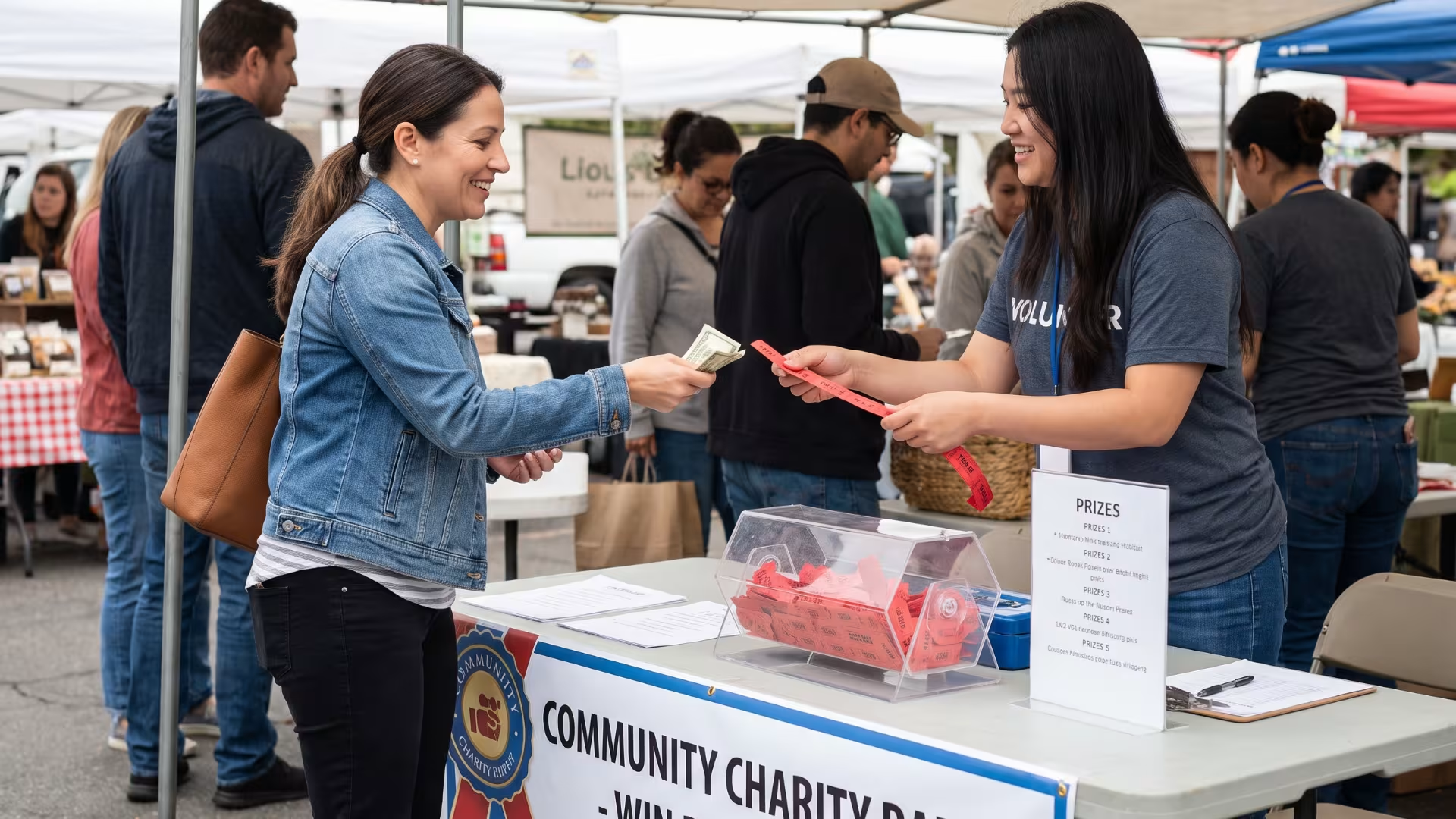
There is no single perfect answer to raffle ticket pricing. The right amount to charge depends on the value of your prize, who your supporters are, how much you want to raise, and how many tickets you can realistically expect to sell. A price that works beautifully for a school fair can fall flat at a charity gala, and the other way round. The good news is that finding a sensible price is not complicated.
Once you understand the few things that genuinely shape it, you can set a raffle ticket price that feels fair to supporters and gives your cause the best chance of hitting its target. This guide walks you through exactly how to do that, with practical examples and a simple checklist to follow.
What should influence your raffle ticket price?
Rather than plucking a number out of the air, it helps to weigh up a handful of factors together. The first is your prize value. A bigger, more desirable prize can support a higher ticket price, because supporters feel they are getting a real chance at something worthwhile. The second is your fundraising goal. Knowing what you need to raise, and roughly what your raffle will cost to run, gives you a floor to work from. A simple way to find that floor is to take your goal plus any costs, then divide by the number of tickets you can honestly expect to sell. Rounding the result up to a clean, friendly number usually gives you a solid starting raffle ticket price. If you would like a hand setting that target first, our charity raffle budget planning guide is a good place to begin.
The third factor is your target audience. What a group can comfortably spend varies enormously between a community fundraiser, a workplace, and a black-tie event, so picture your typical ticket buyer and price for them rather than for your committee. Closely tied to this is the event type: a casual family day calls for a very different raffle ticket cost than an annual gala. Finally, consider your expected ticket volume and your local fundraising norms. If similar events in your area sell $5 tickets, a $50 ticket will feel steep unless your prize clearly justifies it.
To give you a feel for how these factors translate into actual raffle price points, the table below sets out low-cost, standard, and premium approaches side by side.
When lower ticket prices work best
Low-cost raffle tickets shine whenever broad participation is the priority. Schools, PTAs, churches and community events tend to do well here, because an affordable entry point of a dollar or two means almost anyone can join in, and family fundraisers in particular benefit when the whole household can take part without a second thought. A low price also pairs naturally with large audiences and with multiple-ticket purchases, since supporters are happy to buy a few when each one costs so little.
The trade-off is straightforward. A lower raffle ticket price usually means you need to sell more tickets to reach the same fundraising goal, so this approach works best when you have the audience size to match. If your supporter base is smaller, a very low price can leave you short even with strong participation, which is where a standard or premium approach may serve you better.
When mid-range ticket prices work best
Standard, mid-range pricing is the comfortable middle ground for a great many charity raffles. It suits charity events, workplace fundraisers and annual nonprofit raffles, especially when the prize is a solid mid-value item that feels genuinely worth a few dollars a ticket. Because it sits between the two extremes, this range also copes well with mixed-income audiences, offering a price that most people can manage while still moving you toward your goal at a sensible pace.
Keep your approach here practical and flexible. There is no need to agonise over the exact figure. A round number within the standard range, supported by a bundle option or two, will usually do the job, and you can always learn from how the first wave of ticket sales goes and adjust your promotion accordingly.
When premium ticket prices make sense
Premium pricing is the right call when the prize truly carries it. A high-value prize, a travel package or a luxury item gives supporters a compelling reason to pay more for a ticket, particularly at a gala or a special event where expectations are already higher. Premium pricing also works hand in hand with limited ticket quantities: capping the number of tickets makes the odds clear and can justify a higher price, since buyers know exactly what their chances are.
This approach tends to suit smaller, higher-income audiences rather than a broad community crowd. The aim is simply to match a strong prize to supporters who are happy to pay for a real shot at it, not to turn the raffle into anything more elaborate. As long as the prize and the audience line up, a premium raffle ticket price can raise a great deal from relatively few sales.
How prize value affects ticket pricing
Prize value and ticket price are closely linked, but the relationship needs a light touch. As a rule, a higher-value prize can support a higher ticket price, because the perceived reward is greater. Even so, the price should still feel accessible to the audience you are selling to, since a ticket that feels out of reach simply will not sell, however good the prize.
Two habits keep this balance right. First, explain the prize value clearly, so supporters understand what they could win and why the ticket is priced as it is. Second, avoid overpricing a weak prize. Charging a lot for something modest is one of the quickest ways to stall your ticket sales, because supporters can see the mismatch. Always match the price to what your audience expects for a prize of that kind. If you are still shaping your prize pool, our best raffle prizes guide can help you choose items that comfortably support your pricing.
Using ticket bundles
Ticket bundles are one of the simplest and friendliest ways to lift your average sale without raising the entry price or resorting to pushy tactics. By offering a single ticket alongside a few larger packages, you make the decision easier for supporters and gently encourage them to buy more, because a small saving on a bundle feels like good value. A typical set of raffle ticket bundles might look like this:
- One ticket, as the accessible entry point for anyone who just wants to take part.
- A three-ticket bundle, the popular middle choice for most buyers.
- A five-ticket bundle for keener supporters.
- A ten-ticket bundle for your most committed backers.
- A family or group package, which suits school and community raffles especially well.
The key is to keep the options clear and few. A handful of well-chosen ticket packages helps supporters decide quickly, whereas a long, confusing list of choices tends to slow them down. Simple, round bundle prices work best of all.
Setting prices for online and in-person sales
Many raffles now sell tickets both online and in person, and the golden rule is to keep your pricing consistent across the two. If a ticket costs $5 at the event, it should cost $5 online, because any difference confuses supporters and can feel unfair. Be clear about any processing fees as well: on a good online raffle platform you can choose whether your cause absorbs those fees or supporters cover them, and either way it should be transparent rather than a surprise at checkout.
A smooth mobile checkout matters more than almost anything else, since most supporters will buy from a phone, so make sure buying a ticket takes only a moment and always test the full purchase process yourself before you launch. And just as with your in-person tickets, avoid offering too many bundle options online, as a clean, simple choice will always convert better than a cluttered one.
Common raffle pricing mistakes
A few pricing missteps come up again and again, and each has a simple fix. The most common is pricing without considering the audience, which leads to tickets that are either out of reach or leaving money on the table. The remedy is to picture your actual buyers first and price for them. Closely related is offering too many ticket options, which overwhelms people and slows sales, so keep your choices to a clear few.
Another frequent error is charging too much for a low-value prize, which supporters quickly notice, so be honest about what a prize is worth and price it accordingly. The opposite mistake, setting prices too low to reach your goal, is just as costly, and this is where working back from your fundraising goal and expected ticket volume protects you. Two final pitfalls are about trust rather than maths: hiding processing fees, and changing prices partway through without explaining why. Both erode goodwill, so be upfront about fees from the start and, if you ever need to adjust pricing, communicate the change clearly and kindly. One more point worth checking early is your local rules, since some places set legal limits on ticket prices or prize values, so confirm what applies where you are before you finalise anything.
Simple raffle pricing examples
The following examples show how the ideas above come together in practice. They are illustrations to help you think, not fixed prices to copy, since the right figure always depends on your own prize, audience and goal.
For a small school raffle with donated prizes and a large parent audience, a low-cost approach of around $2 a ticket, with a family bundle such as six tickets for $10, keeps entry easy and encourages households to buy several. For a broader community fundraiser with a mid-value prize, a standard price of around $5 a ticket, with a three-for-$12 bundle, balances affordability against your goal. At a gala raffle with a high-value or travel prize, a premium price of $25 or more per ticket suits the audience and the occasion, especially with a capped number of tickets so the odds are clear.
A 50/50 raffle works a little differently, since there is no prize to value: the pot is split between the winner and your cause, so you might price tickets at around $5 with bundle options, and let the growing jackpot do much of the promotion. And for a high-value prize raffle built around a single standout item, capping tickets and setting a premium price lets a relatively small number of sales raise a meaningful total. In every case, the pattern is the same: match the raffle ticket price to the prize, the people and the goal.
Raffle ticket pricing checklist
Before you publish your prices, this quick checklist helps make sure you have thought each part through. Tick items as you go, and your progress will be saved on this device. Our fuller charity raffle planning checklist covers the wider campaign once your pricing is set.
Frequently asked questions
How much should raffle tickets cost?
There is no single right price. Most fundraisers land somewhere between $1 and $25 a ticket, with low-cost pricing for large or family audiences and small prizes, and higher prices for high-value prizes and smaller audiences. Work back from your fundraising goal and expected ticket sales to find a sensible starting figure, then round it to a clean number.
Should ticket price be based on prize value?
Partly. A higher-value prize can support a higher ticket price, but the price still needs to feel accessible to your audience. Avoid charging a lot for a modest prize, and always match the raffle ticket price to what supporters would expect for a prize of that kind.
Are ticket bundles a good idea?
Yes. Ticket bundles, such as three for $12 or ten for $40, make the choice easier and gently encourage supporters to buy more without any pushy tactics. Keep the options few and the prices round so buyers can decide quickly.
Can online and in-person prices be different?
It is best to keep them the same. Different prices for the same ticket confuse supporters and can feel unfair. Keep pricing consistent across both channels, and be clear about any processing fees rather than adding them as a surprise.
How many ticket options should I offer?
A small, clear set. A single ticket plus two or three bundles is plenty. Too many options tends to overwhelm buyers and slow sales, so aim for simplicity over choice.
When should I use premium pricing?
When the prize genuinely justifies it, typically a high-value, travel or luxury prize, often at a gala or with a capped number of tickets. Premium pricing suits smaller, higher-income audiences rather than a broad community crowd.
Set up simple raffle ticket pricing with GalaBid. GalaBid helps nonprofits create clear ticket options, manage online sales and make it easy for supporters to take part in charity raffles.
More advice articles about Raffle
About GalaBid
Ideal for donations. Perfect for Raffles. Awesome for Live and Silent Auctions! GalaBid’s online fundraising platform is designed for fundraisers of all types and sizes. For over 10 years we’ve been helping non-profits, charities, community clubs, churches, schools, and individuals to raise more and make a difference.