What is a Silent Auction?
A silent auction is a fundraising activity where people bid on items or experiences without an auctioneer calling out bids. Instead, bidders write down or enter their bid privately, and whoever has placed the highest bid when the auction closes wins the item.
The word "silent" refers to the format. There's no auctioneer directing the room; bids are simply placed and tracked until a set closing time. Fundraisers choose between running their silent auction using paper bid sheets, or online using a silent auction platform.
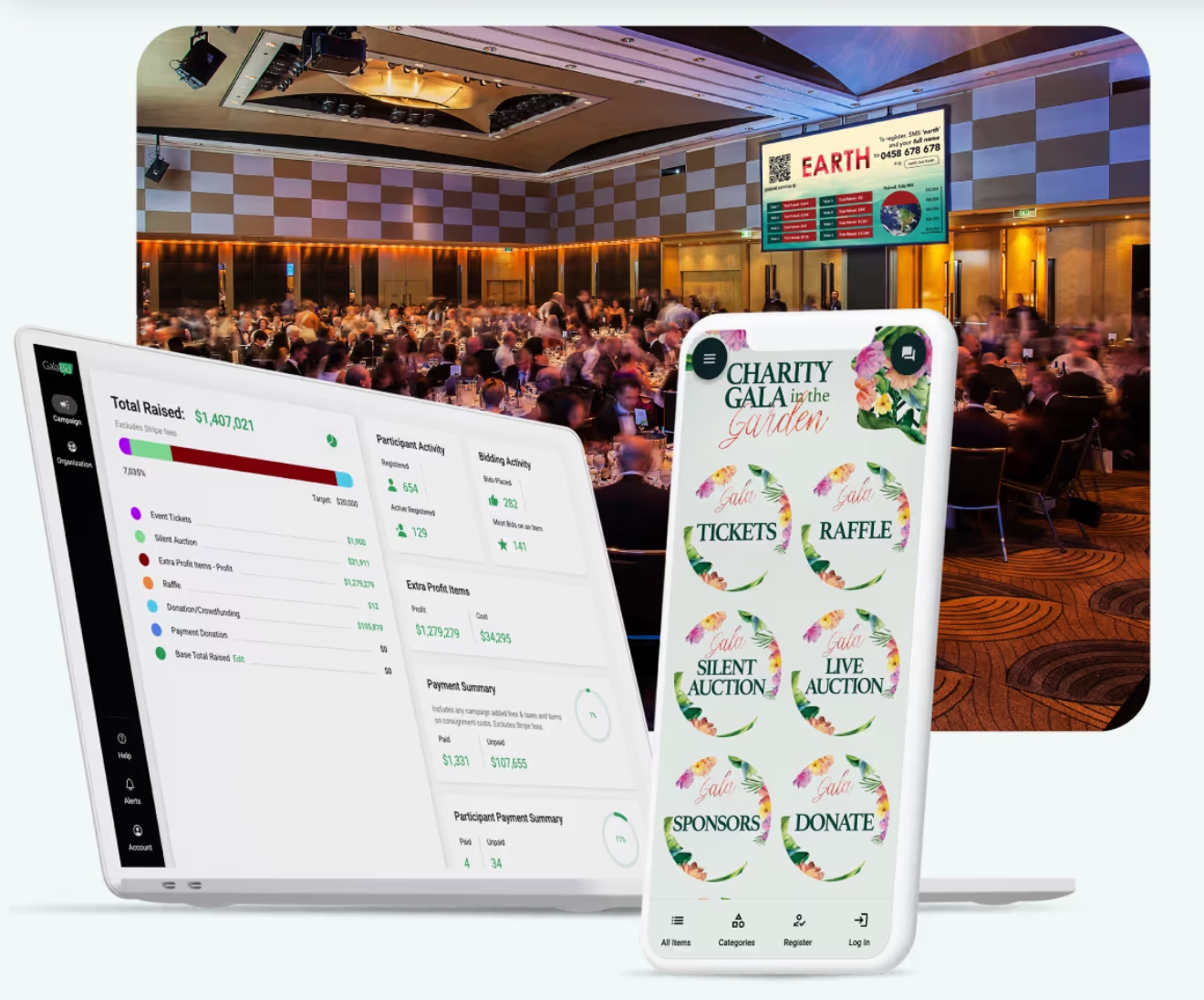
Silent auctions are commonly run during events like nonprofit gala dinners, school fetes, church and sports club fundraisers as a way to raise funds for a cause by offering donated or discounted items, services, and experiences.
However, with the advent of online silent auction platforms, the term silent auction is often interchangeable with the term online auction. And, because they are online they often start before a fundraising event and attract bidders who are not in attendance. Hear from a recent fundraiser who attracted bidders from Mexico to New Zealand.
It's also commonplace for silent auctions in 2026 to be run online, without an associated with an in-person event at all.

How Does a Silent Auction Work?
A silent auction follows a simple structure:
Step 1) Items are collected and displayed (in person or online or both). Organizers gather donated or discounted items, experiences, or services to auction off — anything from a bottle of wine to a weekend getaway.
Step 2) Bidding opens. Participants place bids on the items they're interested in, either on a paper bid sheet or through an online auction platform.
Step 3) Bids increase in set increments. Organizers typically set a minimum bid increase for example, a $5 increment means a $40 bid must be followed by a bid of at least $45.
Step 4) The auction runs for a fixed time. This could be a few hours at an event, or several days for an online-only campaign.
Step 5) The auction closes. Whoever has placed the highest bid on each item at closing time wins.
Step 6) Winners are invoiced and pay. The organizer (or the auction platform, if run digitally) collects payment from winning bidders.
Silent Auction vs. Live Auction: What's the Difference?
These two formats are often confused, but they work differently.
Many fundraising events use both formats together — a silent auction for a large number of items running throughout the evening, and a live auction for one or two standout items later in the program.

Paper Bid Sheets vs. Online Silent Auctions
Silent auctions can be run two ways: on printed paper bid sheets, or through a digital/online silent auction platform.
- Paper bid sheets: Bidders write their name and bid amount on a printed sheet next to each item. Simple to set up, but prone to illegible handwriting, misplaced sheets, and manual tallying at the end.
- Online silent auctions: Bidders place bids online either at a live event (using their own phone) or entirely remotely. Bids update in real time, eand the platform typically handles notifications, closing times, and payment automatically. In-room leaderboards showcase the highest bidders, and outbid notifications to bid agavia email or text message.
The key practical difference is reach and accuracy: an online silent auction can accept bids from anyone with a phone or computer, anywhere, while a paper-based auction is limited to people physically present at the event and to manual bid tracking. Online auction platforms often also facilitate event ticketing, raffles, buy now items and paddle raises.
Frequently Asked Questions
What does "silent auction" mean?
A silent auction is a fundraising format where bidders place bids privately (on paper or online) rather than calling them out to an auctioneer, and the highest bid when the auction closes wins the item.
How do silent auctions work at events?
Items are displayed with a bid sheet or QR code, guests place bids throughout the event, and winners are announced (or notified) when bidding closes.
Can a silent auction be run entirely online?
Yes. An online silent auction doesn't need a physical event — items are listed on a platform, bidders take part from anywhere, and the auction closes at a set time, with payment handled automatically.
What's the difference between a silent auction and a raffle?
In a silent auction, bidders compete on price and the highest bidder wins the specific item they bid on. In a raffle, participants buy tickets for a chance at a prize, and a winner is drawn at random — price isn't a factor in who wins.
YOU MAY ALSO BE INTERESTED IN:
Free Silent Auction Software - An Evaluation of Popular Options
How to Attract Guests to Your Fundraiser in 2026: A Complete Guide
9 Tips for Setting Silent Auction Starting Bids