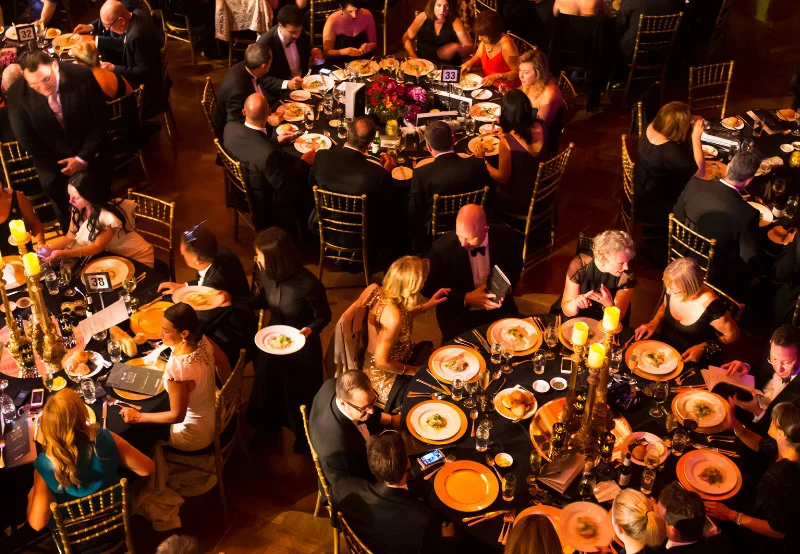
A packed room doesn't automatically mean a successful gala. The guests who show up, who they are, whether they bid, whether they bring others who'll bid, are what actually determine whether your event hits its target. This guide is about getting the right people through the door, not just the most people.
1. Know exactly who you're trying to fill the room with
Before you promote anything, be specific about who you want at the gala, not just "supporters" but the actual profile: past donors who've given at a certain level, business owners who can bring a table of clients, community leaders whose presence signals credibility to others. A vague target audience gets you a room full of people who came for a nice dinner. A specific one gets you a room full of people who came to bid.
Many galas rely almost entirely on what happens during the event itself, the auctions, raffles, and paddle raises, to hit their target, with ticket sales and sponsorship typically covering venue and catering rather than generating surplus on their own. That's exactly why the guest list matters as much as the guest count. If a table is filled with people unlikely to bid or spend, consider removing it rather than filling it just to say the room is full. A smaller, more engaged room where every table is likely to participate will often out raise a packed room padded with guests who came for the meal, and the extra space makes the event feel more comfortable for everyone else.
2. Give your committee a concrete target, not a vague ask
Your gala committee and board are your single best guest-acquisition channel, and they're often underused because "invite people you know" is too vague to act on. Instead, set each committee member a specific goal, for example, sell two tables each, filled with people who'll genuinely participate rather than just attend. A concrete target like this gives committee members something to actually work toward, and it naturally pushes them to think about who in their network will bid and give, not just who might show up for the evening.
3. Sell tables, not just individual tickets
A gala fills fastest through tables, not single seats. Identify people who can act as table captains, someone willing to fill a table of eight or ten with their own network, whether that's a business owner, a well-connected donor, or a corporate sponsor. Table sales also make your guest list easier to plan around, since you know in advance who's bringing whom.
4. Make it effortless to buy tickets/tables
Wherever you're selling tickets, whether that's a dedicated fundraising platform or a page on your own site, keep the path from interest to purchase as short as possible. Offer tiered pricing (individual seats, tables, sponsor packages), let people register a table and add guest names later rather than requiring every name upfront, and make sure it works cleanly on mobile, since a lot of registrations happen from a phone after seeing an invitation or a social post.
5. Use early bird ticketing to lock in your best guests first
Early bird pricing isn't just a discount tactic, it's a way to get your highest-value guests committed before the event fills with less targeted attendees. A modest incentive for booking a table in the first few weeks of your campaign tends to lock in exactly the guests you most want there.
6. Personalize the ask, especially to past supporters
A generic invitation blast performs worse than a short, personal message to someone who attended or gave last year. Reference what they supported previously, and if possible, have the ask come from someone they know on your committee or board rather than a general email address.
7. Follow up without over-communicating
A short reminder sequence, an initial invitation, a mid-campaign nudge, and a final reminder close to the deadline, keeps your event visible without becoming noise. Keep each message brief and give a clear, single next step.
8. Make the event genuinely fun, not just fundraising-focused
Getting the right guests in the room is only step one, giving them a reason to come back next year is what turns a single good gala into a growing annual event. An event people genuinely enjoy is one they'll return to, and bring others with them.
Entertainment doesn't need a big budget act. Fundraising games that are genuinely fun serve two purposes at once: they entertain the room and raise funds in the same moment, rather than competing for attention with the entertainment.
Pay close attention to how much of the evening is spent on speeches. Curate this part of the program tightly so it delivers the most impact in the shortest time, a long run of speeches often fail to keep guests engaged.
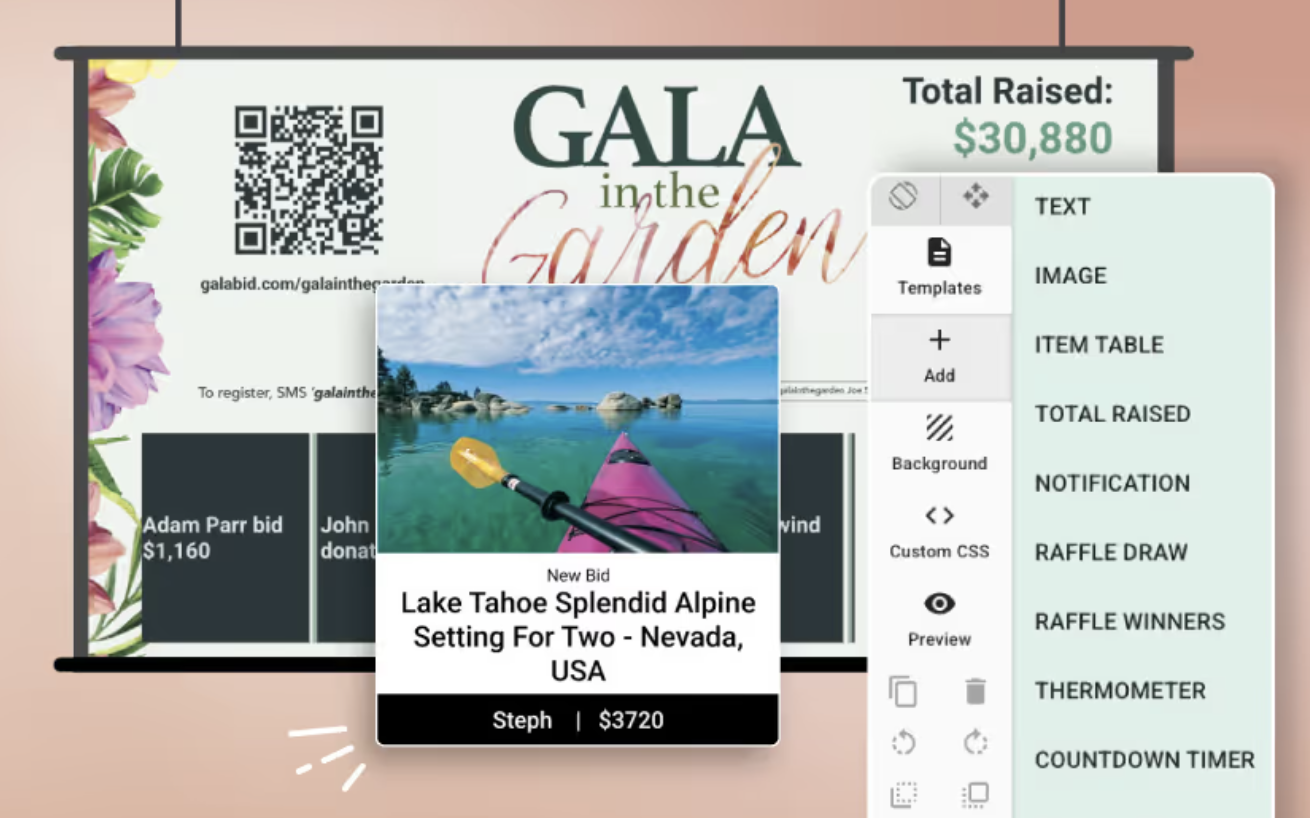
If you're running a live auction, keep it short and sharp unless a large share of the audience is genuinely bidding, in which case a longer auction can be entertaining in its own right. Choose auction items that suit who's actually in the room rather than a generic list, and a skilled auctioneer can turn genuine, publicly available background on guests into real entertainment value during the bidding, not just a transaction. Silent auctions are still popular because they are fun. Make sure to make the most of your silent auction's leaderboard to showcase the highest bidders along with new bids.
9. Track what actually worked, and use it next year
After the event, look at which committee members brought the most engaged tables, which invitation channel drove the highest-quality RSVPs, and where in the registration process people dropped off if they didn't complete a purchase. This is the difference between guessing at your guest strategy every year and refining it.
In Summary
A great gala guest list isn't built by casting the widest net, it's built by identifying exactly who you want in the room, giving your committee concrete targets, making it easy for the right people to say yes, and delivering an evening good enough that they come back next year and bring others with them.
Attracting Guests to Your Gala: Common Questions
How do I get the right guests to a fundraising gala?
Start by defining exactly who you want in the room, past donors at a certain level, business owners who can bring a table, community leaders whose presence carries weight, rather than just promoting broadly. Give your committee concrete targets, such as selling two tables each, so outreach is focused on people likely to genuinely participate rather than just attend.
How many guests should be at each table at a gala?
Most galas seat eight to ten guests per table, sold as a block rather than individual seats. Selling by the table, with a table captain who fills it from their own network, tends to bring in more engaged guests than selling single tickets and hoping the room fills naturally.
How do you get a gala committee to bring in guests?
Give each committee member a specific, achievable target, for example, two tables each, rather than a general request to spread the word. A concrete number gives committee members something to work toward and naturally focuses their outreach on people who'll genuinely bid and give, not just fill a seat.
How do you keep gala guests coming back every year?
Give them a genuinely enjoyable evening, not just a fundraising ask. A well-paced program, entertaining fundraising activities, and a tightly curated speech section all matter more than people expect. Guests who have a good time are the ones who return next year and bring others with them.