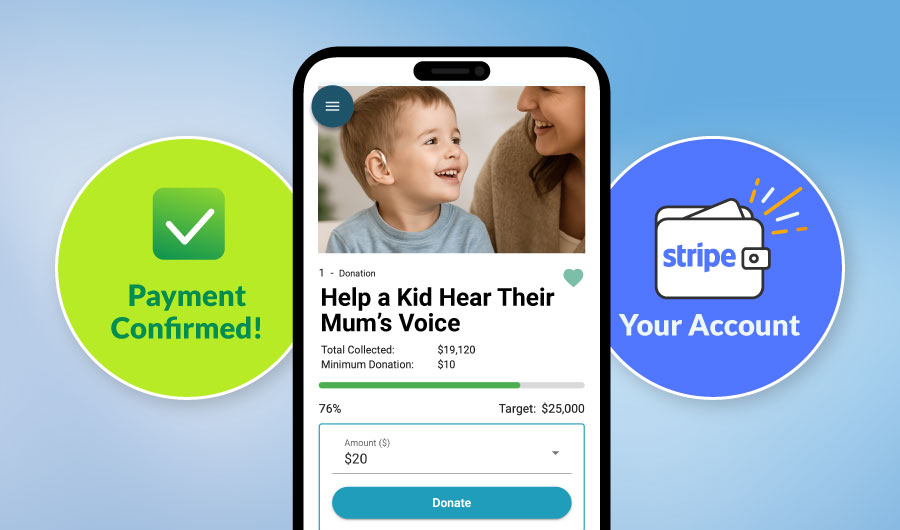
Choosing the right fundraising platform is more important than ever. Today’s platforms can manage everything from online donations, auctions and raffles to event ticketing, table planning and paddle raises.
However, platforms do not all operate the same way. Pricing models vary widely - from free platforms funded by tipping, to percentage-based fees, flat subscriptions, feature-based charges, or multi-year contracts. Some platforms manage payment processing on your behalf, while others allow you to connect and control your own payment processing account.
Understanding how these models differ is essential to protecting your net proceeds and maintaining donor trust.
As we move through 2026, here are seven considerations for nonprofits and community groups selecting fundraising technology.
1. How Platforms Hold Your Funds
Fundraising platforms structure payment handling in different ways.
Some allow you to connect your own payment processing account (for example, Stripe), so funds are paid directly to you. Others collect and hold funds within a platform-controlled account or “wallet” before releasing them to your cause.
If a platform holds funds on your behalf, make sure you understand how and when payouts are made. Ask:
- How frequently are funds transferred?
- Are there minimum payout thresholds?
- Who controls the payment account?
- What protections are in place if the platform experiences operational, compliance, or financial difficulties?
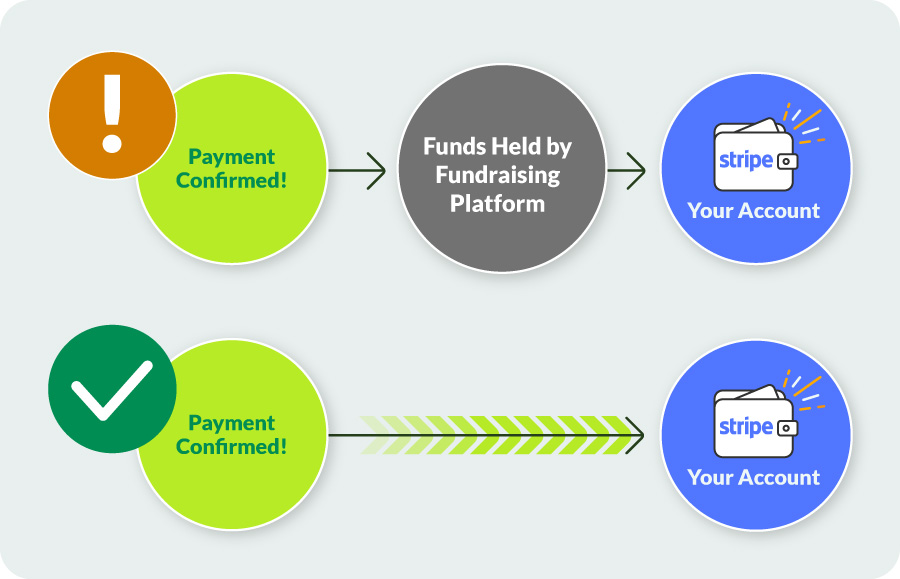
Where funds are paid directly into your own connected payment account, your organization retains greater control. Where funds are pooled within a platform-controlled account, you are relying on that company’s operational and financial stability.
Understanding the flow of funds is essential for managing cash flow, managing risk, and protecting your proceeds.
2. Consider All Fees and Revenue Sharing – Not Just the Platform Fee
Platform fees are only one part of the equation.
Some fundraising platforms charge subscription fees or additional fees for premium features. Payment processing fees may also apply. In tip-based models, voluntary tips generally support the platform’s operations, although some platforms may share a portion with your cause.
To understand your true net proceeds, look beyond the headline “platform fee.” Consider:
- Subscription or feature-based charges
- Payment processing fees
- Whether any revenue sharing applies
Review the full pricing structure and run realistic scenarios based on the total you expect to raise. Focus on what will actually reach your nonprofit’s bank account.
Clarity upfront prevents surprises later.
3. Be Clear About Tipping Models – Prioritize a Donor-Friendly Experience
Free fundraising platforms are typically free to the organizer, but rely on voluntary tips from donors to fund operations. This model can provide cost-effective access to digital fundraising tools, however platforms structure and present these requests in different ways.
At checkout, donors should be able to clearly see how much of their contribution goes to your cause and how much supports the platform’s costs.
Before committing to a platform, step through the full donation process yourself. Review exactly how tips are explained and how easy it is for donors to opt in or out.
Look for platforms that make their pricing structure, fund allocation, and tipping model transparent and easy to understand. Transparency protects donor trust and protects your reputation.
4. Understand Payment Processing Fee Structures – Check for Transparency
Fundraising platforms that handle payment processing often negotiate their own rates with payment providers. It’s important to understand how those rates relate to what your campaign is ultimately charged, as differences in structure can affect your net proceeds.
If a platform offers to “pay” or “cover” processing costs on your campaign, take time to understand how those costs are ultimately recouped. Look carefully at how any additional contributions are presented to donors.
Is there a single optional tip, or are donors separately asked to cover payment processing as well as provide a platform tip? If processing costs are presented as a distinct contribution, consider whether it is clear who benefits if a donor agrees - and who bears the cost if they decline.
Also consider whether the percentage requested to “cover processing” aligns with typical negotiated rates, as most established platforms do not pay rack-rate transaction fees.
Ask whether processing fees are passed through at the platform’s actual negotiated rate, or incorporated into a broader pricing structure. Requests for donors to cover transaction fees are common. What matters is that the structure and impact of those requests are clearly explained. Clear fee structures protect donor confidence and help your nonprofit plan accurately.
5. Understand Data Ownership and Integrations
Your donor data is one of your organization’s most valuable assets.
Before selecting a platform, confirm that you retain full access to your supporter information and can export it easily and at any time. You should be able to download donor data in common formats such as Excel or CSV, without restriction.
Consider how the platform integrates with your existing systems. Can it connect directly to your CRM or donor database? Will data sync automatically, or will you need to manage manual uploads?
It should also be clear where your data is stored, how it is protected, and who has access to it.
Strong data control ensures you can steward supporters effectively, maintain compliance, and build long-term relationships - not just process transactions.

6. Balance Features with Cost Growth
Some platforms begin as “free” but charge for advanced features as your needs expand. Others apply monthly subscription fees that increase as you add tools, events, users, or functionality.
Understand how costs may scale over time. What is included in the base offering, and what triggers additional charges? Are features bundled, tiered, or billed separately?
As your fundraising grows, your technology costs should remain predictable and proportionate. Review pricing carefully to ensure the platform you choose can support your long-term plans without unexpected cost escalation.
7. Service and Support That Meets Your Needs
Fundraising platforms offer varying levels of support. Some provide online help centres, FAQs, or automated chat only. Others offer access to real people by phone or email. And, in some cases, onsite support for live events.
During a live campaign or event, delayed responses can impact donor experience and fundraising outcomes. Consider how quickly issues are resolved and whether support is available when you need it most.
Before committing, confirm:
- What support channels are available (phone, email, chat)?
- What hours of coverage is provided?
- Whether live event support is included or charged separately
Choose a platform whose support structure matches the scale and complexity of your fundraising. Reliable support reduces stress, protects donor confidence, and helps your campaign run smoothly.
In Summary
Choosing the right fundraising platform isn’t just about headline pricing or feature lists. It’s about understanding how funds are handled, how costs are structured, how data is managed, and how supporters are treated.
By prioritizing transparency, clear fee structures, strong data control, and reliable support, nonprofits can make informed decisions and protect both their net proceeds and their donor relationships.
The right platform should not only help you raise funds - it should strengthen trust and support your mission for the long term.
GalaBid is committed to providing transparent cost and payment processing, without holding funds. Get in in touch via our contact points at the bottom of this page.