If you're planning a fundraising auction, you've probably come across certain terms, like silent auction or mobile bidding.
Whether you're organising your first charity gala or looking to modernise your fundraising events, understanding these terms will help you choose the right fundraising software, engage more supporters and ultimately raise more money.
This guide explains the most common fundraising auction terms, the different types of auctions and how today's online fundraising platforms make it easier than ever to deliver successful events.
What Is a Fundraising Auction?
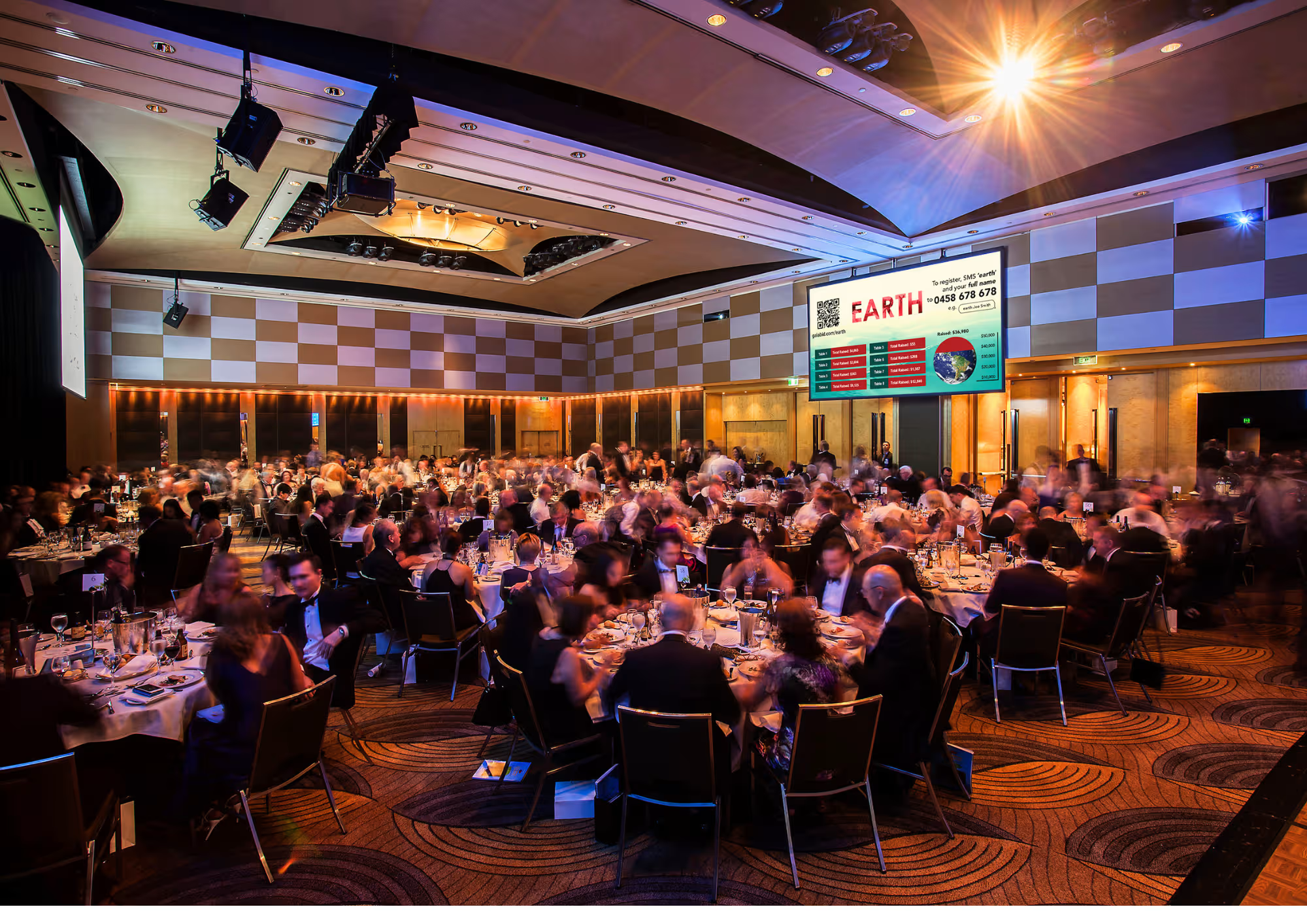
A fundraising auction is an event where supporters bid on donated items or experiences, with proceeds helping to fund a charitable cause.
Unlike traditional auctions, the goal isn't simply to sell an item for its market value. Fundraising auctions are designed to maximise donations by creating excitement, encouraging friendly competition and giving supporters another meaningful way to contribute.
Fundraising auctions are popular with:
- Charities and nonprofits
- Schools and P&Cs/PTAs
- Sports clubs
- Hospitals and foundations
- Community groups
- Arts and cultural organisations
Depending on your event, auctions can be held entirely online, in person or as a hybrid experience that combines both.
Types of Fundraising Auctions
Understanding the different auction formats will help you choose the approach that best suits your audience and fundraising goals.
Online Auction
An online auction allows supporters to browse items and place bids from anywhere using their computer or mobile device.
Rather than writing bids on paper or raising a paddle, participants simply bid online. Supporters can receive notifications when they're outbid, helping maintain competition and increasing the final selling price.
Online auctions can run for several days, making them an excellent option for organisations wanting to reach supporters beyond those attending an event.
Silent Auction
A silent auction is one of the most popular fundraising formats.
Traditionally, guests walked around a display area writing their bids on paper bid sheets beside each item. Today, most silent auctions use digital bidding through an online fundraising platform, allowing guests to bid from their phones whether they're attending in person or participating remotely.
Because bidding remains open for a set period, supporters have time to consider items, monitor competition and increase their bids before the auction closes.
Live Auction
A live auction takes place during a fundraising event and is led by an auctioneer or master of ceremonies.
Guests compete in real time, often by raising paddles or using digital bidding tools. High-value items such as luxury holidays, exclusive experiences and unique memorabilia are commonly reserved for live auctions because they create energy and excitement in the room.
Many organisations now combine live auctions with online fundraising software, allowing bidders to view items in advance, place pre-bids and receive a single invoice covering all their auction purchases and donations.
Hybrid Auction
A hybrid auction combines the best elements of online and in-person fundraising.
Supporters can browse items before the event, bid from anywhere during the campaign and participate in a live auction on event day. Hybrid events help charities engage a wider audience while creating more opportunities to increase fundraising.
Common Fundraising Auction Terms Explained
Once you've chosen the right auction format, you'll come across a range of terms used to describe how auctions are run and managed. Understanding these concepts will help you plan your event, communicate with suppliers and get the most from your fundraising platform.
Starting Bid (Minimum Bid)
A starting bid, sometimes called a minimum bid, is the lowest amount a supporter can bid on an auction item.
Setting the right starting bid is important. If it's too high, fewer people may choose to bid. Too low, and there's a risk the item won't achieve a strong fundraising result. Many organisations use a starting bid of around 30–50% of an item's retail value to encourage early bidding and build momentum.
The goal is to create competition. Once several people are bidding on an item, they're often willing to increase their offers well beyond the starting price.
Reserve Price
A reserve price is the minimum amount an auction item must reach before it can be sold.
For example, an item may have:
- Starting bid: $500
- Reserve price: $750
Supporters can begin bidding at $500, but if bidding closes at $700, the reserve hasn't been met and the organisation can choose not to sell the item.
Reserve prices are particularly useful for high-value prizes, consignment items or experiences where there is a minimum return required.
Many online fundraising platforms allow organisers to decide whether the reserve price is visible to bidders or remains hidden until it has been reached.
Bid Increments
A bid increment is the amount by which each new bid must increase.
For example, if the current bid is $250 and the increment is $20, the next bid must be at least $270.
Using fixed bid increments helps:
- Keep bidding fair and consistent.
- Build momentum during the auction.
- Prevent tiny increases that slow down bidding.
Most fundraising software automatically adjusts bid increments based on the value of the item.
Mobile Bidding
Mobile bidding allows supporters to place bids directly from their smartphone or tablet.
Rather than gathering around an auction table or waiting for an auctioneer, guests can browse items, monitor their bids and receive notifications wherever they are.
For organisers, mobile bidding also reduces paperwork, simplifies administration and helps create a more engaging experience for supporters.
Today, mobile bidding has become the standard for most charity silent auctions.
Outbid Notifications
One of the biggest advantages of online fundraising software is the ability to send outbid notifications.
Whenever someone places a higher bid, the previous highest bidder receives an alert inviting them to bid again.
These notifications help:
- Keep bidders engaged.
- Increase competition.
- Drive higher final sale prices.
- Reduce the chance of supporters forgetting about an item.
Because bidding happens in real time, supporters can stay involved even if they're away from the event.
Auction Catalogue
An auction catalogue is a collection of all the items available during your fundraising auction.
A well-designed catalogue includes:
- Professional photos
- Detailed descriptions
- Retail value
- Starting bid
- Bid history
- Item categories
Publishing your catalogue before the event gives supporters time to browse the items, identify their favourites and arrive ready to bid.
Many organisations now launch their online catalogue several days before their fundraising event to generate excitement and encourage early participation.
Prize Sourcing
One of the most important parts of any fundraising auction is prize sourcing.
Auction items are commonly donated by:
- Local businesses
- Corporate partners
- Sponsors
- Community organisations
- Supporters
The most successful auctions offer a mix of experiences, services and physical products that appeal to a broad audience.
Popular items include travel experiences, restaurant vouchers, sporting memorabilia, wine packages, wellness experiences and exclusive money-can't-buy opportunities.
Consignment Items
Consignment items are premium auction prizes supplied by specialist fundraising partners rather than donated outright.
Instead of purchasing the item upfront, the organisation only pays the supplier if the item sells. Many providers also structure their programs so that the charity retains all proceeds above an agreed value, reducing financial risk while providing access to high-value experiences that may otherwise be difficult to source.
Consignment items are particularly popular for luxury holidays, exclusive travel packages and once-in-a-lifetime experiences that consistently attract competitive bidding.
Donations During an Auction
Many fundraising events combine auctions with direct donations.
Supporters who don't win an item often still want to contribute to the cause, making it easy to include:
- One-off donations
- Fund-a-Need appeals
- Paddle raises
- General giving campaigns
By allowing donations alongside auction bidding, organisations create more opportunities for every guest to support the cause, regardless of whether they purchase an auction item.
Real-Time Bidding
Real-time bidding means every bid is recorded instantly and immediately visible to other participants.
This creates excitement as supporters compete for popular items while giving organisers complete visibility over auction activity.
Combined with automatic notifications and mobile bidding, real-time bidding helps maintain momentum throughout the auction and encourages stronger fundraising results.
How Do Online Fundraising Auctions Work?
Modern fundraising auctions are designed to make bidding simple for supporters while reducing administration for organisers.
Using an online fundraising platform, charities can create an auction website, upload items, accept bids and process payments from one central location.
A typical online fundraising auction follows these steps:
- Create your auction by adding event details, branding and auction items.
- Publish your catalogue so supporters can browse items before bidding opens.
- Invite bidders via email, social media or your event registration page.
- Open bidding, allowing supporters to place bids from their computer or mobile device.
- Notify bidders automatically when they're outbid, helping maintain competition.
- Close the auction at your chosen time.
- Process payments and issue receipts automatically, reducing manual administration.
Unlike traditional paper-based silent auctions, online fundraising platforms keep supporters engaged throughout the event while giving organisers complete visibility over bidding activity.
What Makes a Fundraising Auction Successful?
While every fundraising event is different, the most successful auctions share a few common characteristics.
Offer a mix of auction items
Include prizes that appeal to a range of budgets and interests. A balanced catalogue might include:
- Local experiences
- Restaurant vouchers
- Family activities
- Luxury travel
- Sporting memorabilia
- Exclusive experiences
- Artwork or unique handcrafted items
Giving supporters plenty of choice encourages more people to participate.
Build excitement before bidding opens
Promote your auction in the weeks leading up to your event.
Sharing featured items on social media, email and your website helps generate anticipation and encourages supporters to register early.
Make bidding easy
The easier it is to bid, the more likely supporters are to participate.
Mobile-friendly bidding, automatic notifications and a simple checkout process all contribute to a better supporter experience.
Keep supporters engaged
Friendly competition drives fundraising.
Features such as live leaderboards, outbid notifications and countdown timers encourage bidders to stay involved until the auction closes.
Simplify checkout
The fundraising doesn't end when bidding closes.
Fast, secure payment processing and automatic invoices help create a positive final experience for your supporters while reducing administration for your team.
Where Does Fundraising Auction Software Fit In?
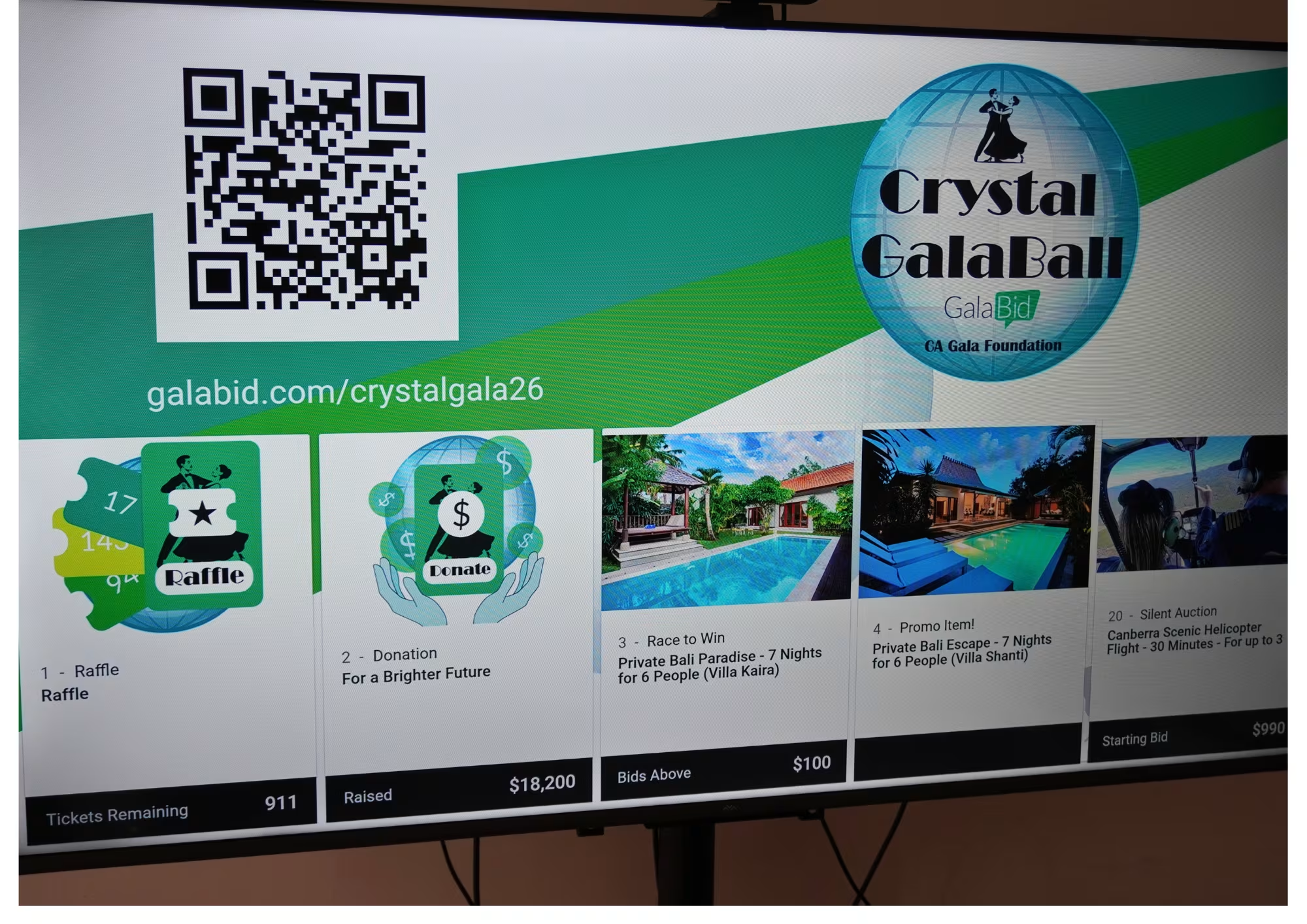
Whether you're running an online auction, a silent auction or a hybrid fundraising event, auction software is the technology that brings everything together.
Rather than relying on paper bid sheets, spreadsheets and manual payment collection, fundraising auction software provides a central platform to manage every stage of your event. It allows organisers to create an online auction catalogue, register bidders, accept bids in real time, process payments and issue receipts, all from a single system.
For supporters, the experience is just as seamless. They can browse items, place bids from their phone or computer, receive notifications if they're outbid and complete payment quickly once the auction closes.
The result is a better experience for everyone involved. Fundraisers spend less time on administration, bidders stay engaged throughout the event, and charities can focus on what matters most, raising more funds for their cause.
Choosing the Right Fundraising Auction Software
Not all fundraising auction platforms offer the same features, so it's worth considering how well a solution supports both your team and your supporters.
Look for software that makes it easy to create and manage your auction, delivers a great bidding experience on mobile devices and simplifies payment collection once bidding has finished. If you regularly host fundraising events, it can also be beneficial to choose a platform that supports auctions, raffles, donations and ticketing in one integrated system, reducing the need for multiple tools and giving supporters a more consistent experience.
Beyond the technology itself, consider the level of customer support (do you prefer support delivered by real people or are you OK talking to a chatbot?), ease of setup and reporting capabilities. A platform that's intuitive for both organisers and bidders can save hours of administration while helping maximise participation and fundraising outcomes.
Frequently Asked Questions
What's the difference between an online auction and a silent auction?
A silent auction describes the bidding style, participants bid privately rather than through an auctioneer. Today, most silent auctions are run online, so the two terms are often used interchangeably.
Can a fundraising auction be completely online?
Yes. Many charities now run fully online auctions, allowing supporters to browse items and bid from anywhere. This can increase participation by reaching people who are unable to attend an in-person event.
What are consignment auction items?
Consignment items are premium experiences or products supplied by specialist fundraising providers. Rather than purchasing the items upfront, organisations typically pay the supplier only if the item sells, reducing financial risk while expanding the range of prizes on offer.
What is the best fundraising auction software?
The best platform will depend on your organisation's needs, but look for software that combines mobile bidding, secure payments, simple administration and strong supporter engagement tools. If you regularly run fundraising events, it can also be beneficial to choose a platform that supports auctions, raffles, donations and ticketing in one integrated solution.
Bringing It All Together
Whether you're organising your first fundraising auction or looking to improve an established event, understanding the terminology is the first step towards creating a successful fundraising experience.
From choosing the right auction format to setting reserve prices, sourcing prizes and selecting fundraising software, every decision plays a role in engaging supporters and maximising the funds you raise.
Modern online fundraising platforms have transformed the way charities run auctions, making it easier to reach more bidders, simplify event management and deliver a seamless experience from registration through to payment.
If you're ready to take your fundraising auction online, GalaBid provides everything you need to create professional auctions, engage supporters and raise more for your cause, all from one easy-to-use platform.