
Volunteers don't just help a fundraising event run smoothly, they play a direct role in how much you raise.
From welcoming guests and selling raffle tickets to recording paddle raises and keeping checkout moving, the right volunteer team creates a better experience for everyone. They're often the friendly faces guests remember long after the event ends.
The challenge isn't simply finding volunteers. It's knowing how many you need, where to position them, and how to equip them to succeed without overwhelming them.
This guide covers exactly that. You'll learn how many volunteers you need for different fundraising activities, the responsibilities each role involves, practical tips for recruiting and briefing volunteers, and how the right fundraising technology can reduce the workload for everyone involved.
How many volunteers do you need?
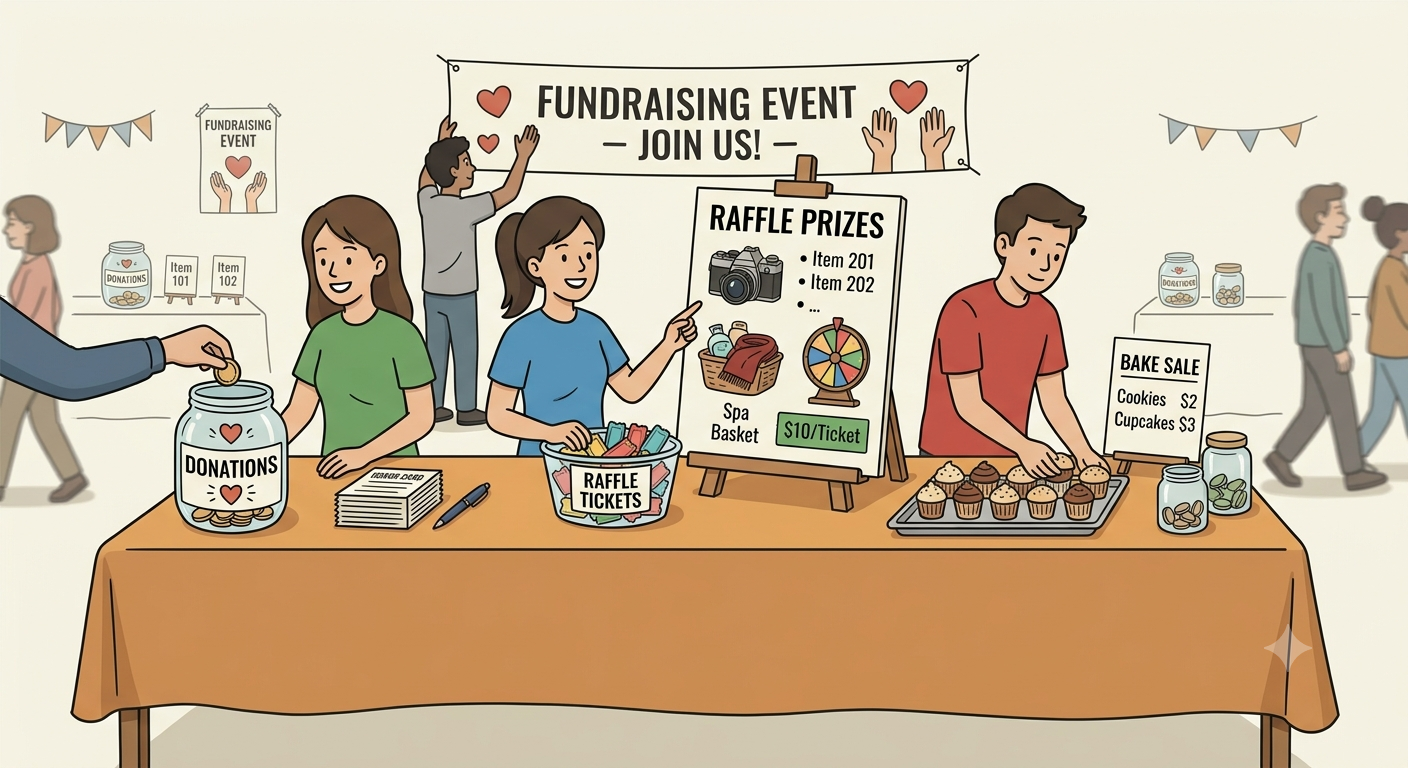
There's no universal formula, but as a starting point, plan for around five to eight volunteers per 100 guests at a gala featuring multiple fundraising activities such as a silent auction, live auction, raffle and donation appeal.
Smaller events or those focused on a single activity can often run successfully with fewer volunteers. Your final numbers will depend on several factors, including:
- Your venue layout and size
- The age and confidence of your guests with technology
- The number of fundraising activities happening at the same time
- Whether you're using digital fundraising tools or manual processes
Volunteer planning guide
A few planning principles make life much easier on the night:
- Never assign just one volunteer to a critical task. Registration, paddle raises and checkout should always have backup.
- Plan for volunteers to change roles. For example, raffle sellers can become paddle raise recorders once ticket sales close.
- Don't underestimate checkout. It's the busiest part of the evening, and the easiest place to lose goodwill if queues become too long.
Use the table below as a starting point when planning your event.
These numbers are designed to prevent bottlenecks. A well-supported registration desk gets guests bidding sooner, while adequate checkout staffing means people leave on a high rather than waiting in long queues.
How to recruit volunteers for your fundraising event
Knowing how many volunteers you need is only half the challenge. Finding them can often feel harder. Fortunately, most organisations already have a strong pool of potential volunteers, they just need to be asked in the right way.
Start with your existing supporters
Your warmest audience is the community that's already engaged with your cause. Previous donors, event attendees, committee members, corporate partners and past volunteers are often much more willing to help than a cold audience.
Rather than sending a generic "volunteers needed" message, reach out personally where possible. A direct invitation is far more effective than a mass appeal.
Make the role specific
People are much more likely to volunteer when they know exactly what's expected of them.
Instead of asking someone to "help at the event", try:
- Welcome guests during registration
- Sell raffle tickets before dinner
- Assist guests with bidding during the silent auction
- Help process payments at checkout
A clear role with a defined timeframe feels achievable and helps volunteers arrive with confidence.
Volunteer Tip: Match volunteers to their strengths: Not every volunteer needs to be confident with technology or comfortable speaking to a room full of guests. Think about each person's strengths when assigning roles. A naturally social volunteer may thrive helping guests with bidding, while someone detail-oriented may be better suited to recording pledges or supporting checkout.
Recruit teams, not just individuals
Local businesses, schools, sporting clubs and community groups often enjoy volunteering together. Asking an organisation to provide two or three volunteers can be easier than finding the same number of individuals yourself.
It also means volunteers already know each other, making them more confident and effective on the night.
Explain the impact
People aren't simply volunteering their time, they're helping your organisation raise more money for its mission.
Share what the funds will support and explain how volunteers contribute to that success. Whether it's helping more families, funding research or supporting local programs, people are far more motivated when they understand the difference they're making.
Keep the process simple
Complicated sign-up forms and lengthy email chains create unnecessary barriers.
Provide volunteers with clear information before the event, including:
- Their role
- Arrival time
- Dress code
- Who they'll report to
- What training or briefing they'll receive
The smoother the experience before the event, the more confident they'll feel when guests arrive.
Volunteer Tip: Create a volunteer communication channel before the event: Set up a simple way for volunteers to ask questions and receive updates before event day. Whether it's a group chat, email thread or volunteer app, having one central place for information reduces confusion and ensures everyone arrives knowing where they need to be.
1. Paddle raise volunteers

A paddle raise (also known as a Fund-a-Need or donation appeal) is often one of the highest-value moments of a fundraising event. Guests are invited to pledge a donation by raising a numbered paddle while the host or auctioneer calls out different giving levels.
Because pledges happen quickly, volunteer coordination is critical.
The role
Paddle raise volunteers are responsible for recording every paddle number against every donation amount, accurately and at speed. In a busy room, this can be one of the most important volunteer jobs of the evening, a missed paddle can mean a missed donation.
Position volunteers so each person is responsible for a clearly defined section of the room. Before the event begins, confirm exactly who is covering which area to avoid duplicated or missed pledges.
How technology helps
Digital fundraising platforms remove much of the pressure from manual recording. Instead of relying on handwritten notes, volunteers simply search for the guest's paddle number, record the pledge amount and save it. The donation is instantly linked to the correct supporter.
Depending on your set-up, payments can be taken immediately or added to the guest's event invoice so everything is settled in a single transaction at checkout.
That means less paperwork after the event, fewer reconciliation errors and more confidence that every pledged donation is collected.
Live auction volunteers
While the auctioneer drives the bidding, volunteers keep everything running behind the scenes.
A well-organised volunteer team ensures bids aren't missed, winners are recorded accurately and payments are handled smoothly, allowing the auctioneer to maintain energy and momentum throughout the sale.
Spotters
Large rooms, dim lighting and excited bidding can make it difficult for an auctioneer to see every bid.
Position spotters around the room, assigning each volunteer a specific section. Their role is to identify bidders quickly and clearly signal the auctioneer whenever a new bid is made.
Good spotters don't just prevent missed bids, they help create the fast-paced competition that encourages higher bidding.
Recorders
Before the event, decide who is responsible for recording each winning bidder and final sale price.
One volunteer should own this task, while another can verify details if required. Clear ownership helps avoid confusion and ensures every winning bid is accurately captured.
Payment support
Decide in advance how auction winners will pay.
Some organisations process payments immediately after the live auction, while others add purchases to a guest's event invoice so everything, including auction wins, raffle tickets, donations and silent auction purchases, is paid together at the end of the evening.
Whatever process you choose, make sure volunteers understand it well enough to confidently answer guest questions.
How technology helps
Using a digital fundraising platform means winning bids are recorded instantly against the correct guest, reducing manual administration and making checkout significantly faster. Volunteers spend less time managing paperwork and more time assisting guests, creating a smoother experience for everyone.
2. Silent auction volunteers

Silent auctions may appear to run themselves, but behind every successful auction is a team of volunteers helping guests feel confident, engaged and ready to bid.
Their role isn't simply to answer questions, it's to remove barriers to participation. Whether that's helping someone register, explaining how bidding works or assisting a guest whose phone battery has died, small interactions often translate into more bids and higher fundraising totals.
Registration and bidding support
One of the most valuable things volunteers can do is help guests place their first bid.
Once someone has successfully bid on one item, they're far more likely to continue browsing and bidding throughout the evening. Volunteers should be available near auction displays to answer questions, explain the bidding process and encourage guests who may be hesitant to get involved.
They can also place bids on behalf of guests who would prefer not to use their own device, ensuring everyone can participate regardless of their confidence with technology.
Keep the auction active
Volunteers play an important role in maintaining momentum.
As the auction progresses, they can draw attention to popular items, remind guests when bidding is about to close and encourage friendly competition on lots with only one bidder. Sometimes a simple conversation is all it takes to turn an interested browser into an active bidder.
Volunteer Tip: Assign one volunteer to greet guests near the silent auction display rather than behind a registration desk. A friendly conversation often leads to a guest placing their first bid sooner.
Support checkout
When bidding closes, the focus shifts quickly to checkout. Having volunteers ready to answer payment questions, direct guests and assist with collections helps prevent queues and creates a much smoother end to the evening.
How technology helps
With GalaBid's dedicated Volunteer Mode, helpers can assist guests using their own device without needing access to the organiser's admin account.
Volunteers can:
- Register attendees
- Place bids on behalf of guests
- Monitor bidding activity
- Update bidder preferences, including anonymous bidding
- Help guests navigate the platform throughout the evening
Because each volunteer has access only to the tools they need, organisers maintain security while giving their team everything required to confidently support guests.
Raffle volunteers
A raffle is one of the easiest fundraising activities for guests to participate in, but ticket sales rarely happen on their own.
Enthusiastic volunteers make a significant difference by engaging with guests, promoting prizes and encouraging last-minute purchases before the draw closes.
Sell the excitement, not just the tickets
The best raffle volunteers are enthusiastic ambassadors.
Rather than simply asking guests if they'd like to buy tickets, they build excitement by highlighting the prizes, explaining where the funds are going and reminding people when the draw will take place.
That energy is often contagious and helps create a sense of anticipation across the room.
Help everyone participate
Although digital raffles have largely replaced paper tickets, not every guest will feel comfortable purchasing tickets on their own.
Volunteers can assist anyone who prefers personal help, answer questions about the raffle and process purchases on behalf of guests where needed.
How technology helps
With a digital fundraising platform, guests can purchase raffle tickets directly from their own phone in seconds. For those who need assistance, volunteers can complete purchases quickly without paper tickets, cash handling or manual reconciliation.
Digital notifications also remind guests when ticket sales are closing and announce winners instantly, helping maintain excitement throughout the event.
3. Donation drive volunteers
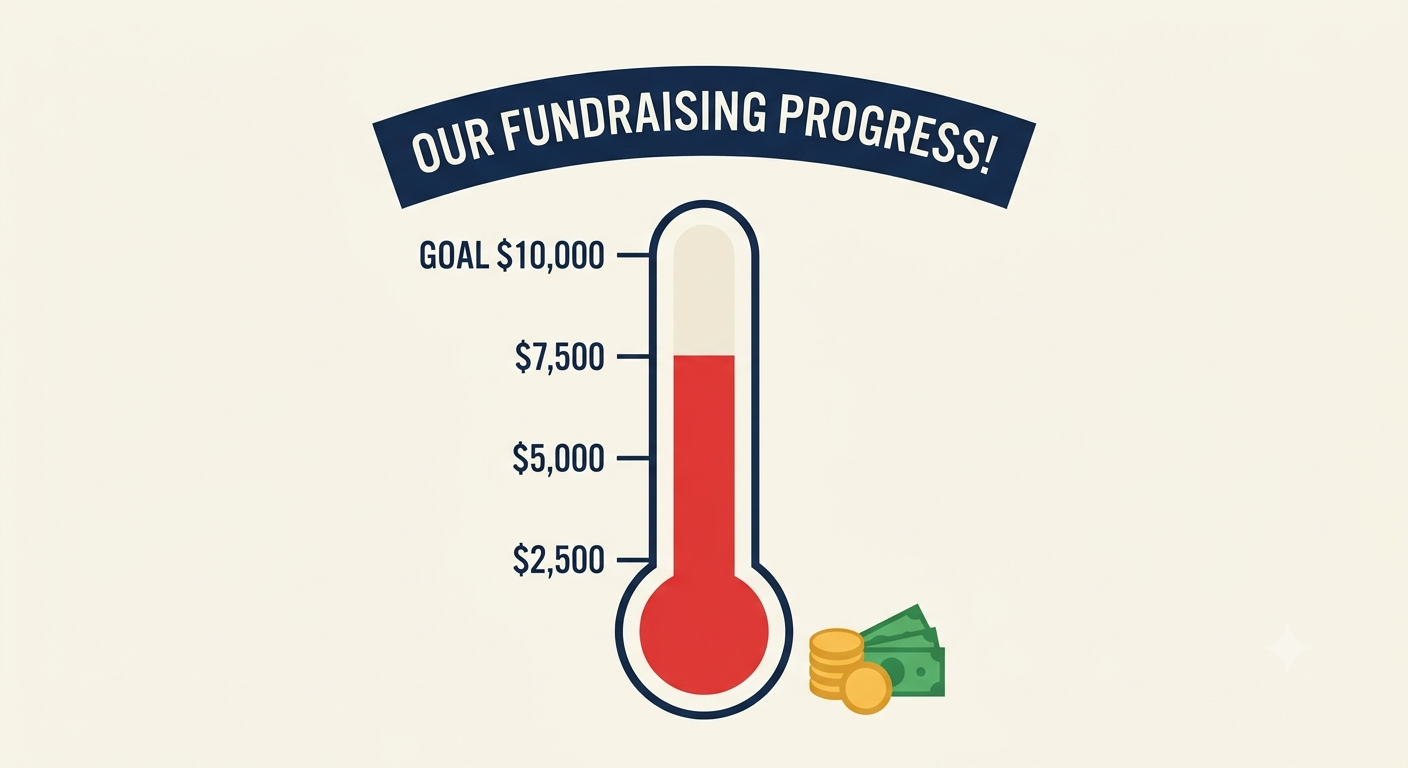
A donation drive gives every guest an opportunity to contribute at a level that feels meaningful to them.
Unlike an auction or raffle, there's no competition and no prize to win, just a shared commitment to supporting your cause. That makes volunteer encouragement particularly important.
Guide guests through the process
Some guests will donate immediately, while others simply need a little reassurance. Volunteers should be visible throughout the room, ready to answer questions, explain how donations work and assist anyone who would like help making their gift.
Removing even small points of friction can make a noticeable difference to participation rates.
Create momentum
During the appeal itself, volunteers become part of the atmosphere. Celebrating milestones, acknowledging progress and encouraging participation all help maintain the energy in the room.
Simple updates like, "We're only $500 away from reaching our goal," can create a sense of collective momentum that inspires additional giving.
How technology helps
Digital donation platforms allow volunteers to record donations quickly, process payments immediately or add gifts to a guest's event invoice for payment later in the evening.
Real-time fundraising thermometers and leaderboards also give volunteers something tangible to celebrate as donations come in, helping maintain enthusiasm until the target is reached.
Briefing your volunteers: the 15-minute version
Even the most enthusiastic and experienced volunteer will perform better with a clear briefing.
Fortunately, training doesn't need to take hours. In most cases, a focused 15-minute session before guests arrive is all that's required.
Your briefing should cover five essentials:
Role responsibilities – Make sure everyone understands exactly what they're responsible for and when their role begins and ends.
Room layout – Assign volunteers to specific areas so everyone knows where they're expected to be.
Technology practice – Rather than demonstrating the platform, ask every volunteer to complete one practice task, such as registering a guest, placing a bid or recording a donation. Hands-on practice builds confidence far more effectively than watching a demonstration.
Payments and checkout – Explain how payments will be processed, where guests should be directed and who is responsible for answering payment questions.
Escalation – Make sure every volunteer knows who to contact if they encounter a problem they can't solve themselves.
A simple one-page volunteer guide covering these points can reduce confusion throughout the evening and help everyone feel prepared before the doors open.
Keeping volunteers engaged during the event
Volunteers who feel supported are more likely to stay enthusiastic throughout the evening, and more likely to return for future events. Small touches can make a big difference.
If you have a large number of volunteers, nominate a volunteer coordinator who regularly checks in with the team, answers questions and helps wherever needed. Rotate volunteers between roles if they're working a long shift, provide regular water and refreshments, and remember to acknowledge their contribution during the event itself.
If your fundraising platform reduces manual administration, volunteers also spend less time solving technical problems and more time doing what they do best: welcoming guests, building excitement and supporting your fundraising activities.
Ultimately, technology should make volunteering easier, not replace the valuable human interactions that help create a memorable fundraising experience.
How to keep volunteers coming back
Recruiting volunteers takes time, so one of the smartest things you can do is encourage great volunteers to return for your next event.
The easiest volunteer to recruit is someone who already understands your organisation, knows how your events work and enjoys being part of your fundraising community.
Say thank you
A genuine thank you goes much further than many organisers realise. After the event, take the time to thank volunteers personally. A phone call, handwritten note or personalised email can leave a lasting impression and shows that their contribution was genuinely valued.
If possible, recognise volunteers publicly in your event wrap-up, newsletter or social media channels (with their permission). A little recognition can strengthen their connection to your cause.
Share the impact
Volunteers don't just want to know the event went well, they want to know the difference they helped make.
Share your fundraising total, attendance figures and, most importantly, how the money raised will support your organisation's work. Whether the funds will provide essential services, support families or fund research, showing the real-world impact helps volunteers feel connected to your mission.
Ask for feedback
Your volunteers often see things organisers don't.
Within a few days of the event, ask what worked well, what could be improved and whether there were any recurring guest questions or operational challenges.
Not only will their feedback help improve future events, but involving volunteers in the process makes them feel like valued members of the team rather than simply extra pairs of hands.
Stay connected
Don't wait until your next fundraiser to reach out.
Keep volunteers informed about your organisation's achievements throughout the year, invite them to other events and let them see the impact of the fundraising they helped make possible.
When your next event comes around, you're inviting engaged supporters, not starting from scratch.
Frequently asked questions
How many volunteers do I need for a fundraising event?
As a general guide, allow around five to eight volunteers per 100 guests for a gala featuring multiple fundraising activities, such as a silent auction, live auction, raffle and donation appeal.
Smaller events or those centred around a single activity can often run successfully with two to three volunteers per 100 guests.
What do silent auction volunteers actually do?
Silent auction volunteers help guests register, explain how bidding works, answer questions about auction items, assist with placing bids and support checkout once bidding closes.
They also encourage participation throughout the evening by helping guests feel confident using the auction platform.
Do volunteers need training?
Usually, no more than 15 minutes.
A short pre-event briefing, combined with the opportunity to complete a practice registration, bid or donation, is often all that's required for volunteers to feel confident in their role.
What's the most important volunteer role?
Every volunteer contributes to a successful event, but if your fundraising includes a paddle raise or Fund-a-Need appeal, accurate pledge recording is essential.
Missing a pledged donation means potentially losing income your organisation has already secured, so these roles should always be allocated to experienced or highly organised volunteers.
What if I can't recruit enough volunteers?
Start by prioritising the guest experience.
Registration, donation appeals and checkout should always be fully staffed, while other roles can often be combined throughout the evening. For example, raffle volunteers may be able to support checkout once ticket sales close.
Technology can also reduce the number of volunteers needed by streamlining registration, bidding and payment processes, allowing your team to focus on supporting guests rather than managing paperwork.
Can technology replace volunteers?
Not entirely, and it shouldn't.
Technology is most effective when it supports your volunteers rather than replacing them. By automating administrative tasks such as registration, bid recording and payments, volunteers have more time to interact with guests, answer questions and help create a welcoming atmosphere.
In Summary
Volunteers are at the heart of every successful fundraising event.
With the right people in the right roles, a clear briefing and well-planned support, your volunteer team can help improve the guest experience, increase participation and ultimately raise more for your cause.
Technology plays an important supporting role too. By simplifying registration, bidding, donations and checkout, it removes many of the manual tasks that can slow volunteers down, allowing them to spend more time engaging with guests and less time managing administration.
Whether you're planning your first charity gala or looking to refine an event you've run for years, investing time in recruiting, preparing and supporting your volunteers will pay dividends long after the final guest has gone home.
If you're looking for ways to make volunteering simpler, GalaBid's digital fundraising platform helps streamline every stage of your event, from registration and auctions to raffle ticket sales, donation appeals and checkout, so your volunteers can focus on creating a memorable fundraising experience instead of managing paperwork.