
Why Fundraising Copy Matters
Great fundraising campaigns do more than ask people to donate. They help supporters understand why a cause matters, create an emotional connection, and show exactly how their contribution can make a difference.
Whether you are writing a donation appeal, fundraising event page, auction description, campaign email, or social media post, your words influence how people respond. Strong fundraising copy builds trust, communicates impact, and helps supporters see themselves as part of the solution.
For charities and fundraising teams, the challenge is balancing emotion with clarity. Supporters want to know the story behind the cause, but they also want confidence that their contribution will create meaningful change.
The most effective fundraising messages share a few common traits: they are specific, human, focused on impact, and written with the supporter in mind.
What Do We Mean by “Copy”?
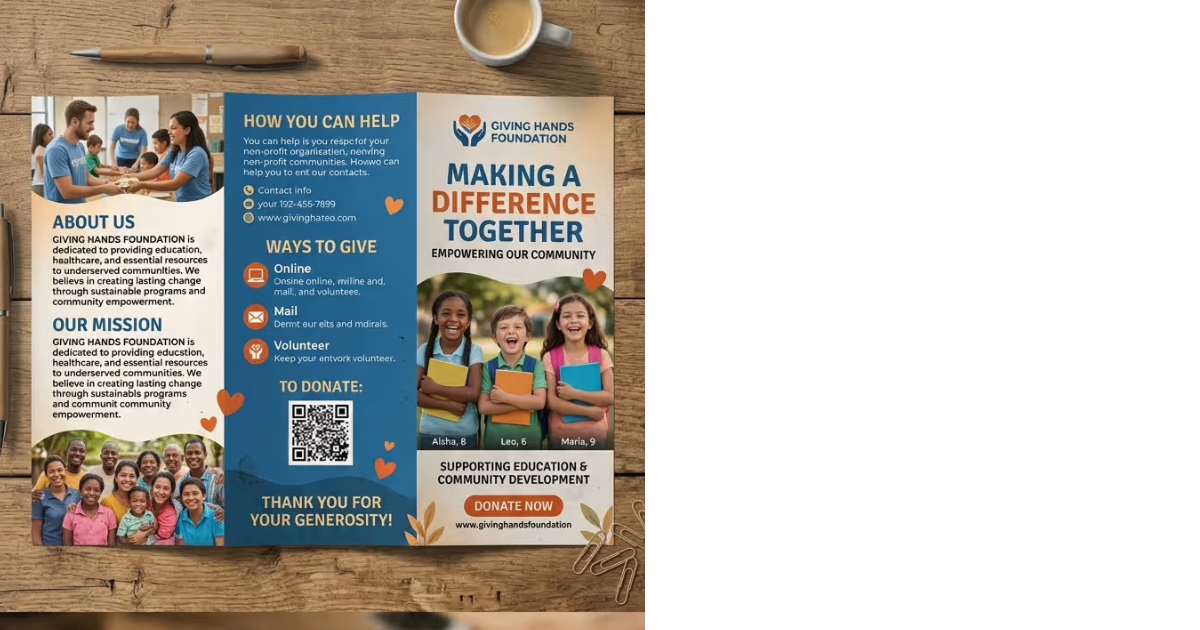
In marketing, copy simply means the words used to communicate a message and encourage a response.
For fundraising, this includes any written content that helps tell your story, connect with supporters, and inspire action.
Examples of fundraising copy include:
- donation appeals
- fundraising event invitations
- campaign landing pages
- auction item descriptions
- email updates
- social media posts
- sponsorship requests
- thank-you messages
Good fundraising copy is not about using complicated language or clever phrases. It is about choosing the right words to help supporters understand your cause, feel connected to your mission, and see the difference they can make.
Throughout this guide, when we refer to “fundraising copy”, we mean the words and messages your organisation uses across all of these communications.
Here are 11 practical tips to help you create fundraising copy that inspires action.
1. Avoid Clichés and Empty Language
Fundraising audiences see countless messages every day. Words that once felt powerful can lose their impact when they are overused.
Terms such as “innovative”, “transformative”, “sustainable”, and “game-changing” can be valuable when they genuinely describe your work — but they become less effective when they appear without explanation.
Instead of relying on broad statements, explain what makes your work meaningful.
Instead of:
“We’re creating innovative solutions to transform communities.”
Try:
“Your support helps provide clean water systems to rural communities, giving families reliable access to safe drinking water.”
Specific language creates credibility because it helps supporters understand the real-world impact behind your mission.
2. Replace Jargon with Human Language
Fundraising copy should be accessible to everyone — including people who are discovering your organisation for the first time.
Internal terminology, technical language, and industry phrases can unintentionally create distance between your organisation and your supporters.
Before publishing your message, ask:
- Would someone unfamiliar with our work understand this?
- Does this explain why the issue matters?
- Does this focus on people rather than processes?
The strongest fundraising communications make supporters feel included, not like they need specialist knowledge to understand the cause.
3. Be Specific About the Impact of Donations
One of the biggest mistakes in fundraising copy is asking for support without explaining what that support achieves.
A message like:
“Please support our important work.”
may be accurate, but it does not give donors a clear picture of their impact.
A stronger message:
“A £25 donation can help provide essential school supplies for a child for one term.”
Specific outcomes help supporters visualise the difference they can make.
This principle applies across all types of fundraising — from individual donations to fundraising events and auctions. Whether someone is making a contribution, bidding on an item, or encouraging others to participate, they want to understand the purpose behind their action.
4. Tailor Your Copy for Digital Platforms
A fundraising message needs to work across different channels, and each platform has different expectations.
Website and campaign pages
Your fundraising page should quickly answer:
- What is the cause?
- Why does it matter?
- Who benefits?
- How can someone help?
Use clear headings, short paragraphs, strong images, and a simple path to action.
Email campaigns
Email gives you more space to build a relationship. Focus on:
- a compelling subject line
- personalisation where possible
- one clear message
- a strong call-to-action
Social media
Social platforms require a more immediate approach:
- Lead with the most important point.
- Use short, engaging stories.
- Make the next step obvious.
Digital audiences often decide within seconds whether to continue reading, so clarity matters.
5. Use Emotion Through Storytelling
People support causes because they care. Statistics can explain the scale of a problem, but stories help people understand why it matters.
A strong fundraising story usually includes:
The challenge:
What problem exists?
The people affected:
Who is impacted?
The solution:
How does support create change?
The outcome:
What difference can supporters make?
For example:
Instead of:
“Thousands of children lack access to education.”
Try:
“When Amina received the supplies she needed to return to school, she gained more than books and a uniform — she gained the opportunity to continue learning and build a brighter future.”
Stories create connection while keeping the focus on the dignity and experiences of the people your organisation supports.
6. Create Clear and Compelling Calls-to-Action
A call-to-action (CTA) is the part of your fundraising message that tells supporters what to do next. It turns interest into action by giving people a clear, simple next step.
In fundraising, a CTA might encourage someone to:
- make a donation
- register for an event
- bid on an auction item
- share a campaign
- become a regular supporter
A fundraising message should make the next step obvious.
A weak call-to-action:
“Learn more.”
A stronger call-to-action:
“Help provide safe water today.”
Effective fundraising calls-to-action are:
- specific
- positive
- focused on impact
- easy to act on
For example, “Join our community of supporters” creates a sense of belonging, while “Donate now” may feel more transactional depending on the context.
The best calls-to-action make supporters feel they are joining meaningful action, not simply completing a payment.
7. Make Supporters the Heroes
Your supporters are not just providing funds, they are helping make change possible.
The most effective fundraising copy positions donors, attendees, bidders, and community members as active participants in your mission. People want to understand that their contribution matters and that they are part of something meaningful.
Compare these two approaches:
Organisation-focused:
“We need your support to continue delivering our programs.”
Supporter-focused:
“Together, we can help more families access the support they need.”
The second message creates a stronger sense of shared purpose.
Words such as:
- You — creates a personal connection
- Together — reinforces collective action
- Join — creates belonging
- Your support — highlights individual impact
can help supporters feel valued.
This is particularly important for fundraising events. Whether someone is attending a gala, participating in a challenge, bidding in an auction, or making a donation, the experience should feel like they are contributing to a shared goal.
8. Keep Your Fundraising Messages Fresh
Repeating the same fundraising message every year can make even an important cause feel less engaging.
Your mission may remain consistent, but the way you communicate it should evolve.
Look for new angles by connecting your message to:
- recent achievements
- current challenges
- community stories
- seasonal moments
- campaign milestones
For example, an environmental organisation might move beyond a general message about protecting forests and highlight a specific conservation achievement, a local success story, or a timely issue affecting the environment.
Fundraising events also benefit from fresh storytelling. An annual event should not simply be described as “another year of raising funds.” Instead, highlight what has changed, what supporters have achieved together, and what their continued involvement can make possible.
9. Keep Your Message Clear and Concise
Attention is limited, particularly online.
A supporter should quickly understand:
- what your cause is
- why it matters
- what action they can take
Before publishing your fundraising copy, review each sentence and ask:
Does this help someone understand the impact?
If not, consider removing it or rewriting it.
Clear communication builds confidence. When supporters understand the purpose of a campaign and what their contribution achieves, they are more likely to engage.
This is especially important for digital fundraising pages, where people often make decisions quickly. A clear message, strong visuals, and an obvious next step can make the difference between someone leaving the page and taking action.
10. Use Powerful Words That Encourage Action
Certain words can strengthen fundraising messages by creating connection, urgency, and a sense of involvement.
However, effective fundraising copy is not about inserting “magic words”. It is about using language that feels natural and meaningful.
You
Creates a direct relationship with the supporter.
“Your support can help provide essential care.”
Because
Explains why action matters.
“Because every child deserves the opportunity to learn.”
Join
Creates a sense of community.
“Join thousands of supporters creating change.”
Today
Encourages timely action.
“Help make a difference today.”
Questions
Invite reflection and personal engagement.
“Will you help provide a brighter future?”
The strongest fundraising messages combine emotional language with a clear explanation of impact.
11. Use AI to Strengthen Your Fundraising Copy
Artificial intelligence tools are becoming increasingly useful for fundraising teams. They can help generate ideas, improve clarity, adapt messages for different audiences, and speed up the creative process.
However, AI should be viewed as a fundraising assistant — not a replacement for human insight.
The most effective fundraising copy still depends on understanding your supporters, your mission, and the people your organisation helps.
Start with a strong prompt
The quality of AI-generated content depends heavily on the information you provide.
A basic prompt:
“Write a fundraising email.”
is likely to produce generic results.
A stronger prompt:
“Act as an experienced nonprofit fundraising copywriter. Write a 500-word email appeal for a children’s education charity. The audience is existing supporters aged 35–65. The goal is to encourage an additional donation. Use a warm, hopeful tone, include a specific example of impact, avoid guilt-based language, and finish with a clear call-to-action.”
The second prompt gives the AI the context it needs to create more relevant content.
Useful AI prompts for fundraising teams
Generate campaign ideas
Prompt:
“Give me 10 fundraising campaign ideas for [cause]. Include the target audience, emotional angle, campaign headline, and suggested call-to-action.”
Improve an existing fundraising appeal
Prompt:
“Review this fundraising message and suggest improvements to make it clearer, more emotional, and more focused on supporter impact.”
Adapt messaging for different audiences
Prompt:
“Rewrite this fundraising message for first-time donors, existing supporters, and major donors. Adjust the tone and motivation for each audience.”
Create stronger calls-to-action
Prompt:
“Rewrite these fundraising calls-to-action to make them more specific, inspiring, and focused on the difference supporters can make.”
Identify storytelling opportunities
Prompt:
“Review this campaign message and suggest where personal stories, examples, or specific outcomes could make the appeal more compelling.”
Always review AI-generated fundraising content
AI can accelerate the writing process, but every piece of fundraising copy should be reviewed before it is published.
Check that it:
- accurately represents your organisation
- reflects your brand voice
- avoids exaggerated claims
- protects the dignity and privacy of people featured in stories
- sounds authentic and human
The best results come from combining AI’s ability to generate ideas quickly with your organisation’s experience, empathy, and understanding of your community.
Final Thoughts
Effective fundraising copy is not about asking louder, it is about communicating better.
The strongest fundraising messages help people understand the problem, connect with the mission, and see the meaningful role they can play in creating change.
By avoiding clichés, removing jargon, focusing on specific impact, using storytelling, creating strong calls-to-action, valuing supporters, and using AI thoughtfully, fundraising teams can create campaigns that inspire action and build lasting relationships.
Great fundraising copy does not simply encourage people to give. It helps them believe their contribution matters.