Event Ticketing Tips for Nonprofits: Mistakes to Avoid in 2026
Planning fundraising events is one of the most exciting parts of nonprofit work—but it can also be one of the trickiest. From gala dinners and charity runs to auctions and virtual events, ticketing plays a crucial role in ensuring your event is successful, profitable, and enjoyable for donors.

We'll inevitably arrive in 2026 with fundraising platforms having evolved to deliver more features than ever! While this helps nonprofits maximize their fundraising, there are still things to watch out for. From free ticketing for nonprofits to robust paid platforms—understanding common pitfalls is essential to maximize revenue, streamline operations, and deliver a seamless donor experience.
Let's take a look at the most common fundraising event mistakes, explain why they matter, and provide easy-to-action tips to avoid them.
1. Ignoring Hidden Fees
One of the most frustrating surprises for nonprofit organizers is discovering hidden fees after ticket sales have begun. Some platforms advertise “free” ticketing but tack on service or processing fees that eat into your fundraising revenue.
Why it matters: Hidden fees can reduce the funds available for your cause and frustrate donors who feel they’re paying more than expected.
How to avoid it:
- Compare platforms based on total cost to the organization and donor, not just advertised platform fees.
- Look for platforms that allow donors to cover processing fees voluntarily. This keeps more funds in your nonprofit’s hands without penalizing supporters.
- Consider all-in-one ticketing platforms that integrate payment processing, donations, and event management without extra costs per feature.
- It’s worth noting that GalaBid not only allows donors to cover fees via suggested tipping, we also give 10% of all tips received back to your not-for-profit or charity.
2. Confusing Checkout Process
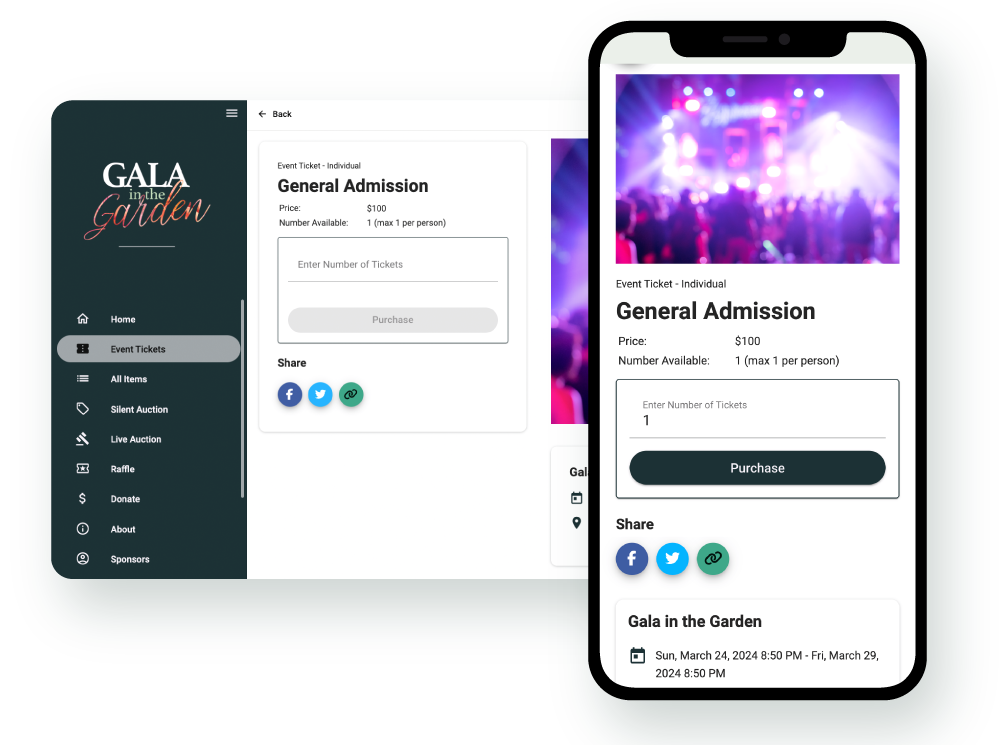
A long or confusing checkout process is a common ticketing feature that can directly impact ticket sales. If donors struggle to select tickets, enter information, or complete payment, many will abandon the process entirely.
Why it matters: Even a small increase in checkout friction can lead to significant revenue loss and a poor donor experience.
How to avoid it:
- Use streamlined, mobile-friendly checkout pages that minimize clicks and form fields.
- Clearly display ticket types, prices, and any additional charges before payment.
- Offer multiple payment methods (credit/debit, digital wallets) to accommodate different preferences.
- Provide immediate confirmation emails and receipts to reassure donors that their purchase was successful.
3. Underestimating Event Promotion
No matter how sophisticated your ticketing platform is, poor promotion can leave seats empty and fundraising goals unmet.
Why it matters: A beautifully designed ticketing page won’t generate revenue if no one knows about your event. Marketing and ticketing go hand-in-hand.
How to avoid it:
- Leverage built-in sharing tools (such as EDMs and social sharing) from your ticketing platform.
- Create urgency with early-bird pricing, limited availability notifications, or countdowns.
- Integrate ticketing links across your not-for-profit’s website, newsletters, and social channels.
- Track metrics like open rates, clicks, and conversions to optimize your outreach.
4. Not Offering Flexible Ticket Options
Nonprofits often make the mistake of offering only one ticket type or price, which can limit attendance and donations.
Why it matters: Different donors have different giving capacities and preferences. Offering flexibility increases participation and can significantly boost revenue.
How to avoid it:
- Offer tiered ticketing (general admission, VIP, table packages).
- Allow add-on donations during checkout, such as sponsorships or “round-up” contributions.
- Include options for family/group tickets for community-focused events.
5. Neglecting Mobile and Virtual Capabilities
In 2026, most ticket buyers expect to purchase tickets via smartphones or attend hybrid/virtual events. Failing to accommodate this can alienate a large segment of potential attendees.
Why it matters: A platform that isn’t mobile-optimized or lacks virtual event integration limits reach, reduces sales, and creates friction for attendees.
How to avoid it:
- Choose a mobile-first ticketing system that works across devices.
- For hybrid or virtual events, ensure your platform can deliver secure access links and track attendance.
- Consider live updates, notifications, or interactive features to enhance online engagement.
6. Poor Event Reporting and Analytics
Without actionable insights, nonprofits can’t evaluate success or improve future events. Relying on basic or manual tracking is a common ticketing mistake.
Why it matters: Data drives fundraising strategy. Without real-time reporting, you may miss trends, opportunities, or areas needing adjustment.
How to avoid it:
- Use a platform that offers live dashboards and detailed reporting for ticket sales, revenue, and donor behavior.
- Track metrics like conversion rates, average donation amounts, and attendance to inform future campaigns.
- Leverage insights to refine marketing, ticket pricing, and donor engagement strategies.
7. Not Prioritizing Donor Experience
Finally, nonprofits sometimes focus too heavily on operational convenience and neglect the donor experience. A confusing interface, lack of personalization, or slow support can deter repeat attendance.
Why it matters: A positive donor experience increases loyalty, repeat donations, and word-of-mouth promotion.
How to avoid it:
- Offer branded ticketing pages that reflect your nonprofit’s identity.
- Provide live support for donors who encounter issues.
- Make event access and communication seamless, with reminders, updates, and easy check-in options.
Key Takeaways
Avoiding these ticketing mistakes can make a huge difference in your fundraising success in 2026:
- Check for hidden fees and consider donor-covered processing options.
- Keep checkout simple and mobile-friendly.
- Promote your event actively and strategically.
- Offer multiple ticket types and add-on donations.
- Ensure mobile and virtual capabilities are supported.
- Monitor analytics to measure success and optimize strategy.
- Prioritize donor experience at every touchpoint.
Why an All-in-One Ticketing Platform Helps
A robust, integrated ticketing platform, like GalaBid, addresses most of these mistakes automatically. By combining ticketing, donations, auctions, and reporting in a single system, nonprofits can:
- Reduce administrative work and errors.
- Enhance the donor experience with seamless checkout and branding.
- Maximize revenue through integrated donation options.
- Access real-time analytics to make data-driven decisions.
- Easily manage both in-person and virtual events without juggling multiple tools.
Investing in a strong, all-in-one ticketing system can transform your fundraising events from stressful logistics into smooth, profitable, and donor-friendly experiences.
In Summary
Avoiding common fundraising event mistakes ensures your events are successful, donors are happy, and fundraising goals are met. In 2026, the right ticketing solution isn’t just a convenience—it’s a strategic asset.
By choosing a platform that is feature-rich, intuitive, and integrated, nonprofits can focus on what really matters: delivering impactful events that support their mission and maximize donations.
More articles about Ticketing & Check-in for Fundraising Events
About GalaBid
Ideal for donations. Perfect for Raffles. Awesome for Live and Silent Auctions! GalaBid’s online fundraising platform is designed for fundraisers of all types and sizes. For over 10 years we’ve been helping non-profits, charities, community clubs, churches, schools, and individuals to raise more and make a difference.

